Allergy Testing and Treatmentfor Pets
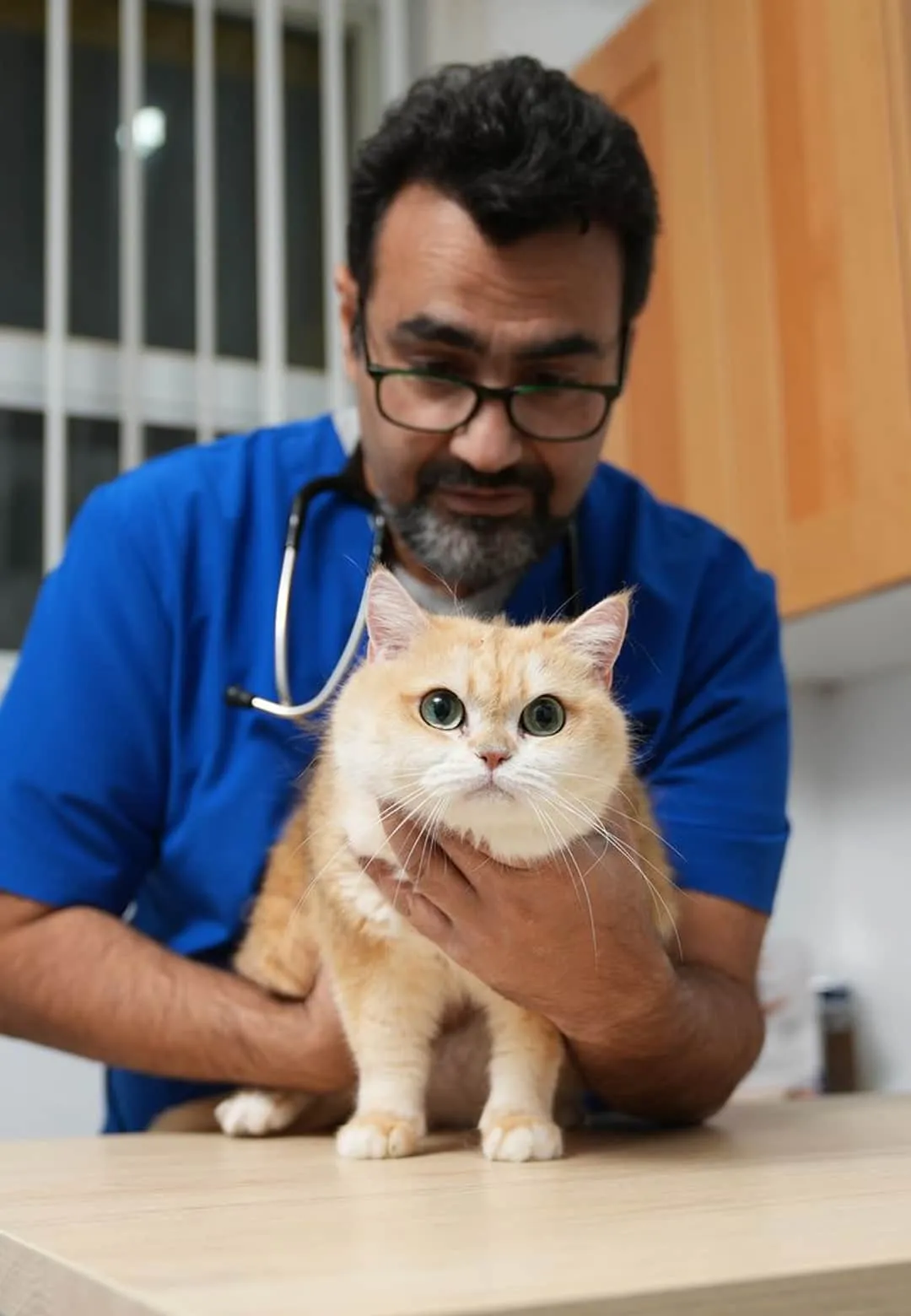
Every pet’s allergies are different, which is why treatment starts with understanding what’s causing the problem. At our North York and Parliament veterinary clinics, we assess common triggers such as environmental allergens, fleas, and food sensitivities. From there, we build a treatment plan designed to ease irritation, reduce recurring ear infections, support healthier skin, and improve your pet’s everyday comfort.


Find the trigger
Calm the itch
Honest, education-first plans
Open 7 days a week
Signs your dog or cat has allergies
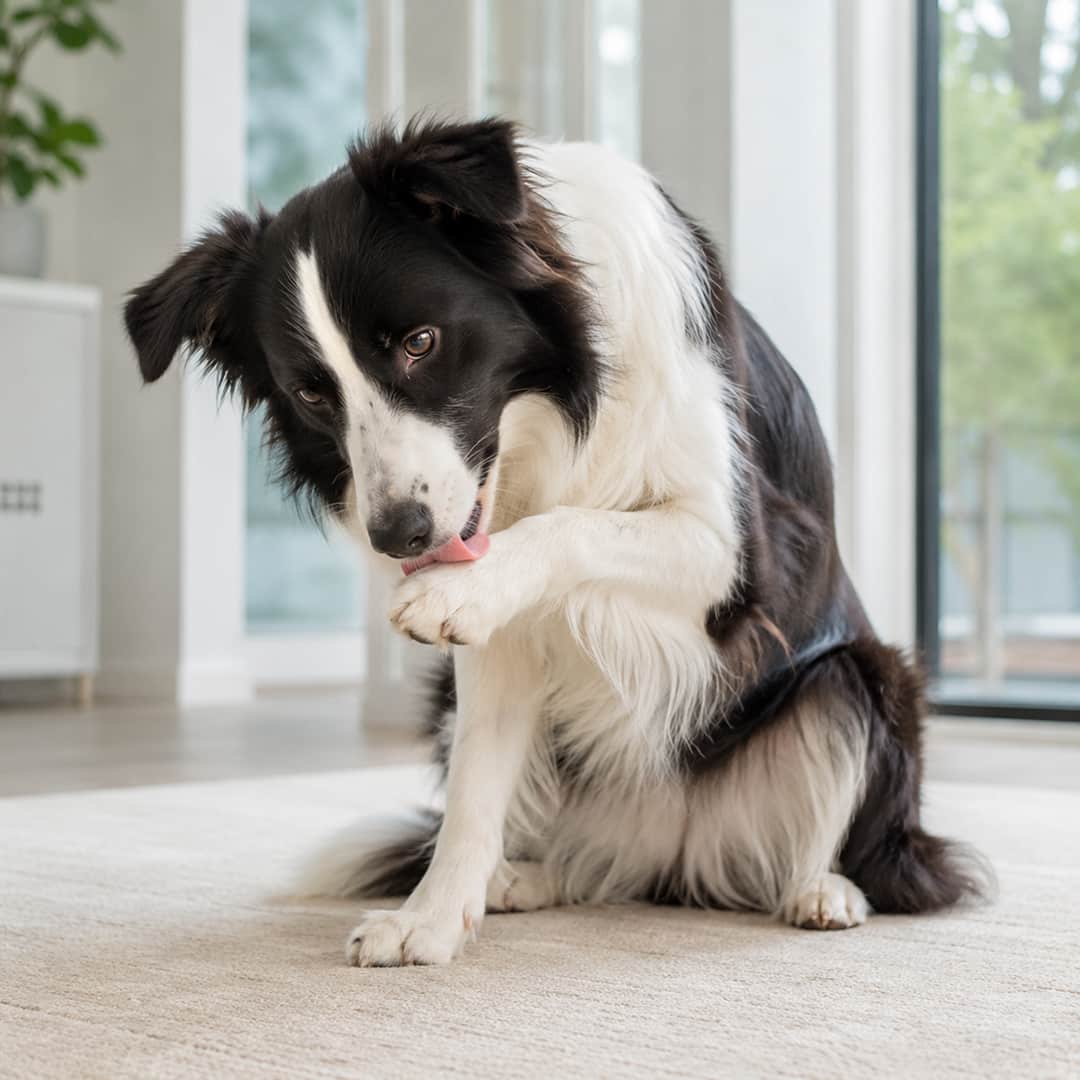
Pet allergies rarely look like ours. Instead of sneezing, dogs and cats show it through their skin: constant scratching, licking or chewing at the paws, red or irritated skin, hair loss, hot spots, and recurring ear or anal gland infections. Some pets get digestive trouble like vomiting or soft stool, especially with food allergies. And because scratching breaks the skin, untreated allergies often turn into infections on top of the itch. Allergies can begin at any age, so a pet who suddenly becomes itchy at five or six isn’t unusual. One more sign worth knowing: sudden facial swelling or hives after a sting, a new food, or a medication deserves a call right away.
What causes allergies in dogs and cats
Environmental allergies (pollen, dust mites, mold)
The most common group, pollen, grass, trees, mold, and dust mites. These often start seasonal and become year-round as sensitivities build. Vets call it atopy or atopic dermatitis; your pet just calls it itchy.
Flea allergy dermatitis
It takes only one bite. Pets allergic to flea saliva can react intensely to a single flea, often around the tail base and back end, which is why year-round flea prevention is step one of any allergy plan.
Food allergies (chicken, beef, and other proteins)
Less common than people think, but very real, and usually triggered by proteins like chicken or beef rather than grains. Food allergies tend to show up as itchy skin and recurring ear infections, sometimes with digestive upset alongside.
How dog and cat allergy testing works
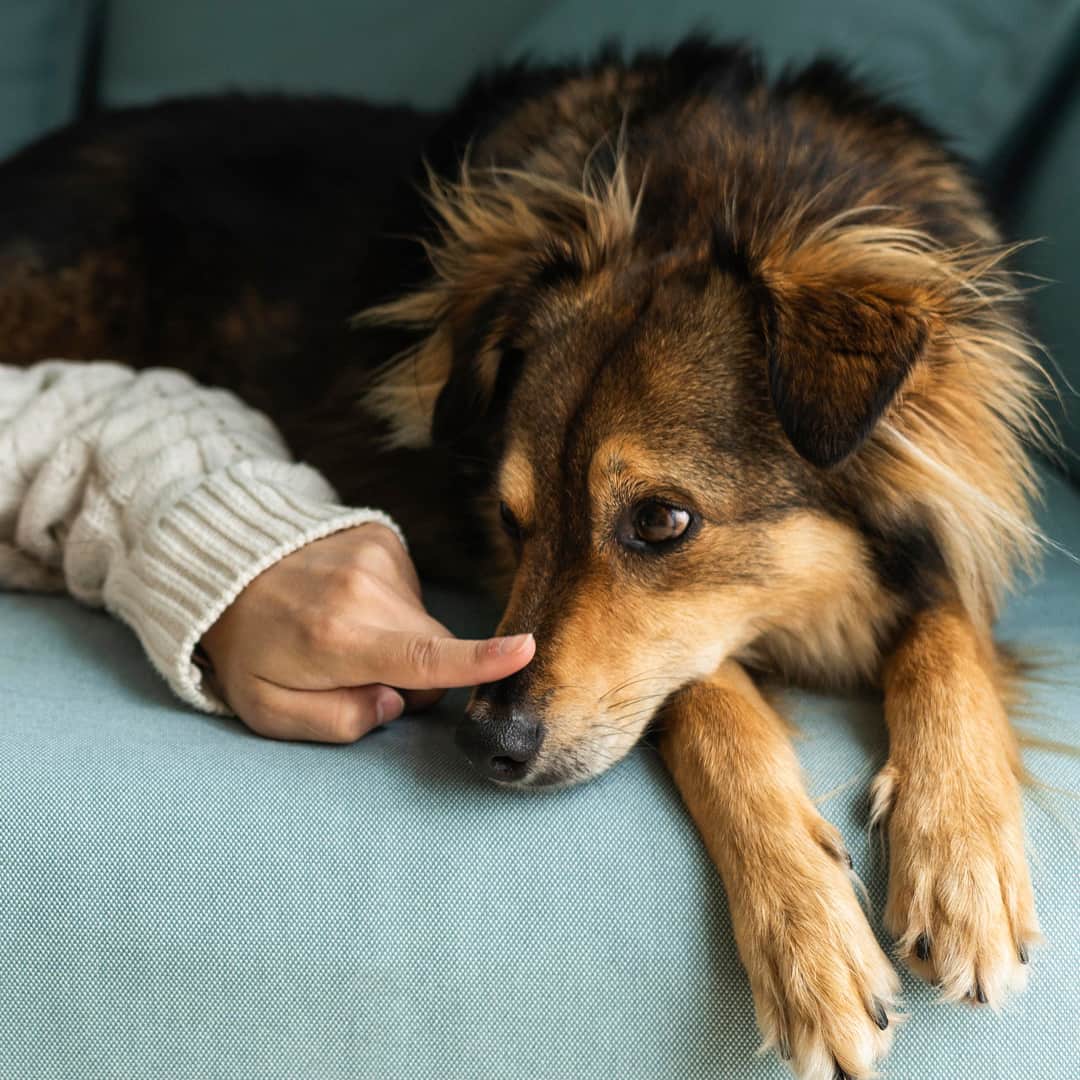
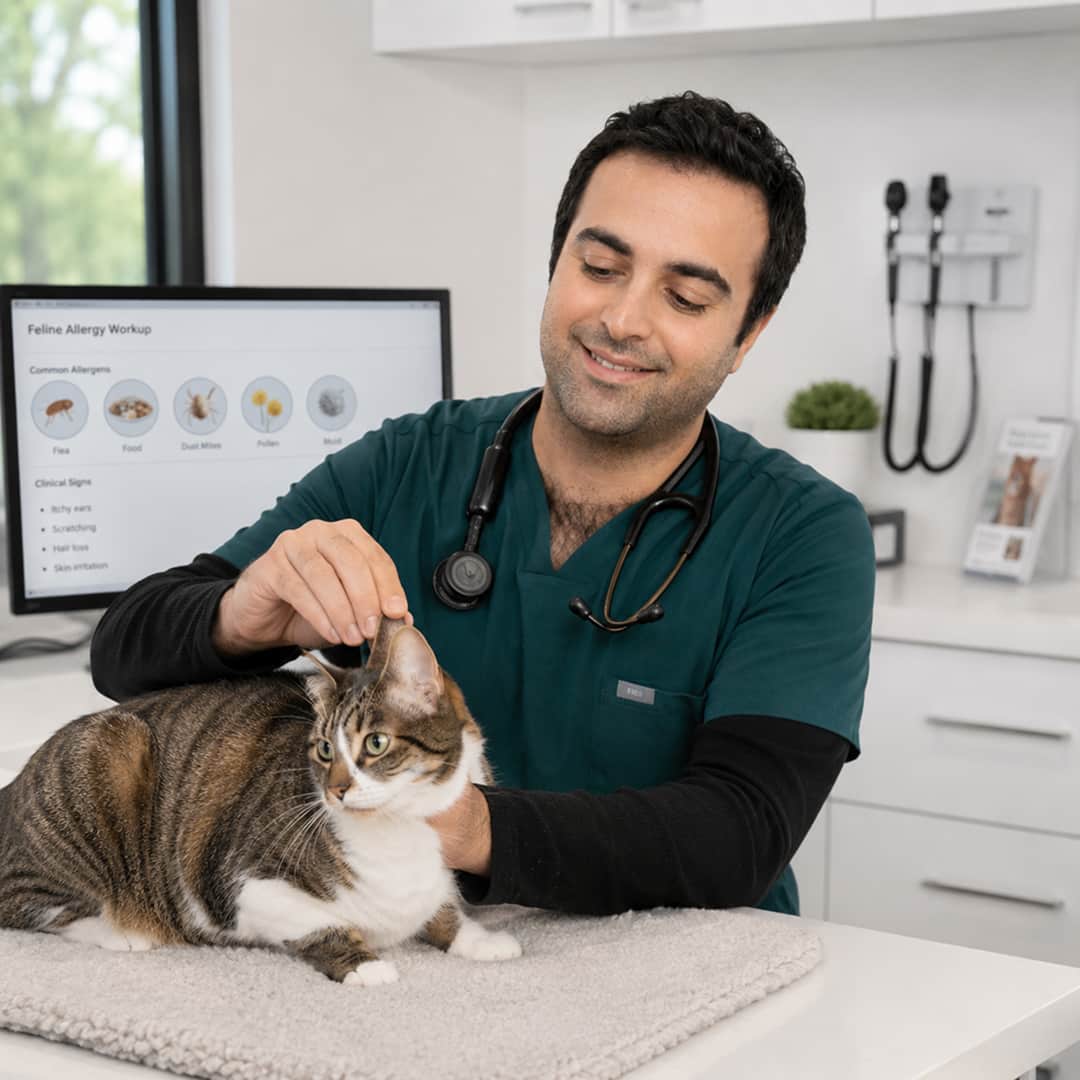
We start with a proper exam, because plenty of itchy skin isn’t allergy at all, fleas, mites, ringworm, and skin or ear infections can look nearly identical, and a quick skin or ear cytology rules them in or out. For environmental allergies, blood testing can identify which triggers your pet reacts to, which guides avoidance and opens the door to allergy shots. Food allergies are different: no blood test diagnoses them reliably. The honest answer is a properly run elimination diet, usually eight to twelve weeks on a prescription diet and nothing else, which we’ll plan and support with you step by step. Either way, we’ll tell you plainly what a test can answer, what it can’t, and whether it’s worth running for your pet.
Treatment that actually brings relief
Relief usually comes from layers, not one magic fix, removing triggers where possible, year-round flea control, medicated baths and skin care, modern anti-itch medications that work quickly, allergy shots (immunotherapy) for long-term desensitization, prescription diets for food-allergic pets, and properly treating any secondary skin or ear infections. Allergies are managed rather than cured, so we build a plan for the long run, including what to do when a flare hits, and adjust as your pet’s needs change.
Why choose TVS for your pet’s Allergy Testing
- Allergy workups that start with a proper exam, not a guess
- Testing for environmental triggers, and properly run food trials for food allergies
- Relief-focused plans: itch control, skin care, and year-round flea protection
- Help for recurring ear infections and hot spots, treating the cause, not just the flare
- Honest expectations: we tell you what testing can and can’t answer
- Prescription diets and medications dispensed on site
- Transparent pricing, quoted upfront
- Two Toronto veterinary clinics, North York and Parliament, open 7 days a week
Common questions about
Allergy Testing
Owners trust us with the animals they love, and we don’t take that lightly.
Persistent paw licking is one of the most common signs of allergies in dogs, especially environmental ones, because allergens collect on the paws and the skin between the toes becomes itchy and inflamed. It can also point to a yeast or bacterial infection, or occasionally pain. If the licking is frequent, the paws look red or stained, or there’s an odour, book an exam: the cause is usually very treatable.
Recurring ear infections are one of the most overlooked signs of allergies. The allergy inflames the ear canal, infection moves in, and treating only the infection means it keeps coming back. If your dog’s ears flare up again and again, an allergy workup often breaks the cycle for good.
Yes. French Bulldogs, Westies, Pit Bulls, Boston Terriers, German Shepherds, Labradors, and Golden Retrievers are among the breeds we see most often with allergies and skin trouble. If you share your life with one of them, regular checkups and a good skin-care routine go a long way, and early testing makes sense at the first signs of itch.
No, allergies can’t be completely cured, but they can be managed very well. Depending on your pet, that may mean anti-itch medication, antihistamines or steroids where appropriate, allergy shots, diet changes, and treating flare-ups early. With the right plan, an allergic pet lives a comfortable, happy life.
Be careful here: some human allergy and itch medications are unsafe for pets, and doses don’t translate, so please don’t guess from the medicine cabinet. Safe home steps include regular bathing with a pet-appropriate shampoo, wiping paws after walks, and keeping flea prevention current. For anything more, a quick visit gets your pet medication that’s actually safe and effective.
Available at both clinics
Urgent visits can be booked at either location, by phone or request an appointment online. Our North York pet clinic stays open the latest, as late as 11pm.
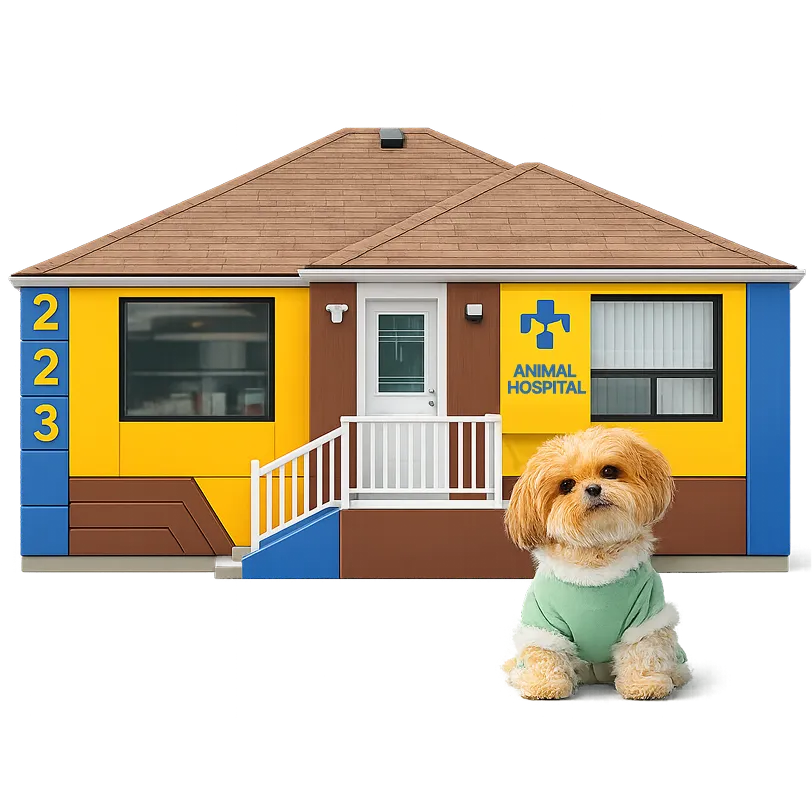
Toronto North Animal Hospital (North York)
Your North York vet, serving Willowdale, Lansing, Bayview Village, and the Yonge and Sheppard area.
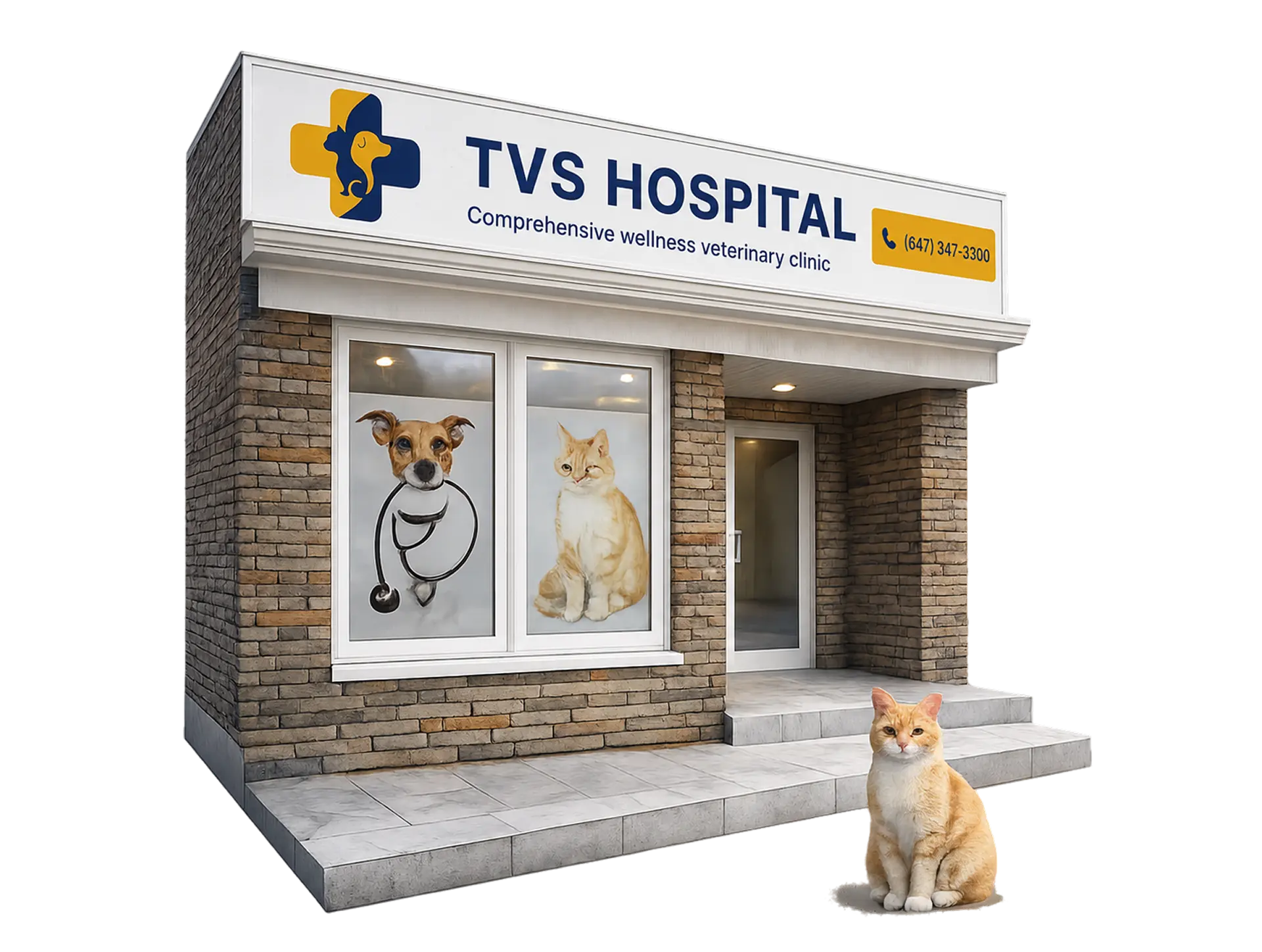
Parliament Animal Hospital (Cabbagetown)
Your Cabbagetown vet, serving Riverdale, Regent Park, Corktown, and St. James Town.