Pet X-Rays, Ultrasound and BloodworkIn Toronto
When your pet isn’t well, the fastest way to help them is knowing exactly what’s wrong. Our North York and Parliament veterinary clinics run bloodwork, urinalysis, X-rays, and ultrasound in-clinic, so you get fast, accurate answers, often the same visit, with results explained in plain language. And because we’re education-first, we recommend only the tests your pet actually needs. Open 7 days a week.


In-clinic lab and imaging
Answers often the same visit
Only the tests your pet needs
Open 7 days a week
Why in-clinic diagnostic testing matters
Dogs and cats hide illness instinctively, and a physical exam can only reveal so much. Diagnostic tests tell the rest of the story, what’s happening inside, how organs are working, and whether a problem is brewing before any symptoms show. Running these tests in-clinic means answers come sooner, treatment starts sooner, and your pet is spared extra trips. Dogs and cats share most of the same tests, with a few designed for conditions unique to each species, and we’ll always explain what a test is for and what the results mean before anything goes ahead.
Lab tests for dogs and cats
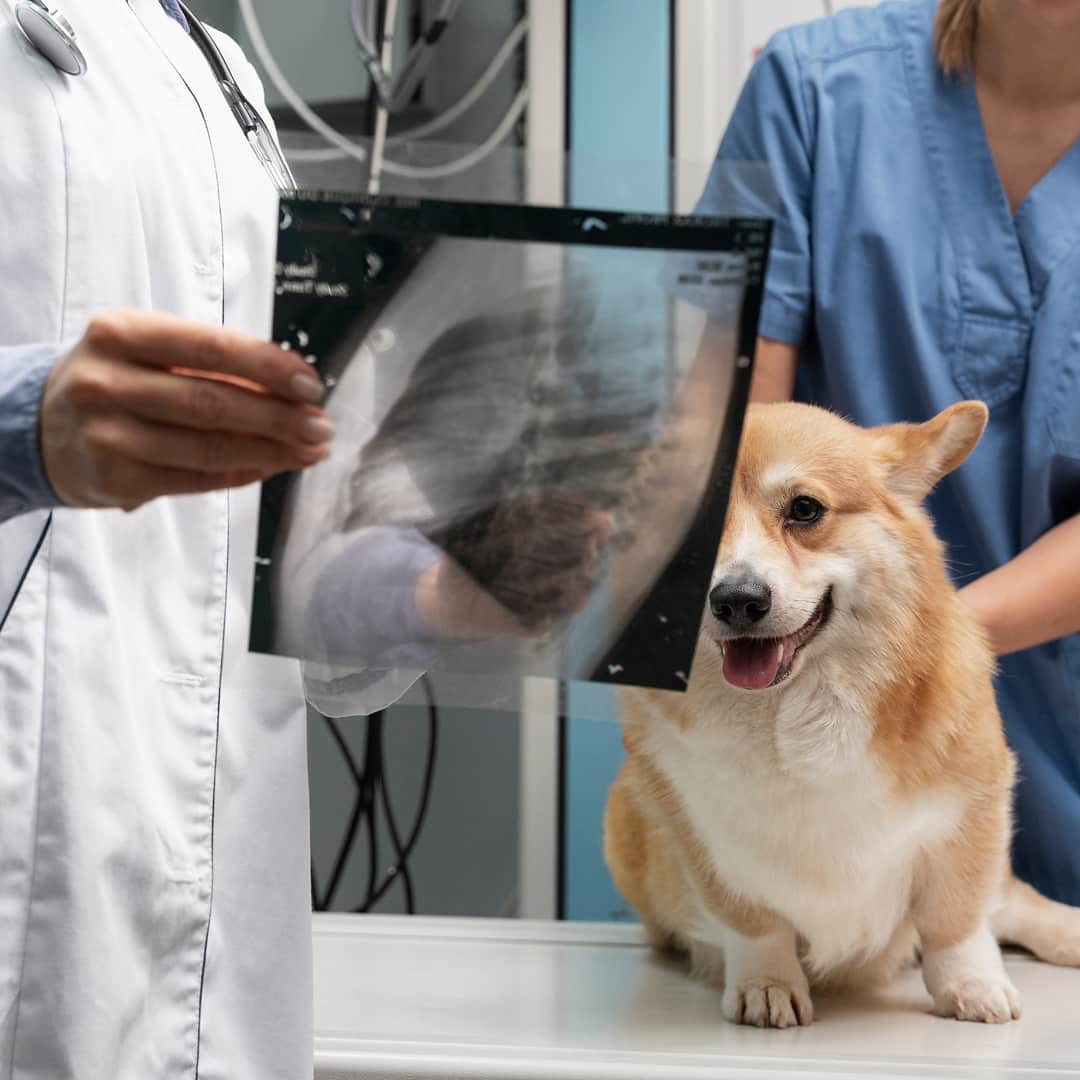
Bloodwork: CBC and chemistry panels
A complete blood count (CBC) measures your pet’s red and white blood cells and platelets to detect infection, anemia, and immune responses. A blood chemistry panel evaluates organ function and flags imbalances in enzymes, electrolytes, and hormones, which is how we catch kidney, liver, blood sugar, and thyroid problems early in dogs and cats. Bloodwork is also essential before any procedure involving anesthesia, so it’s a standard part of our surgical and dental workups.
Urinalysis and fecal testing
Urine testing helps us diagnose urinary tract infections, kidney and bladder disease, and diabetes. Fecal exams check for internal parasites like worms and giardia, which many pets carry without symptoms. Catching them early protects your pet’s long-term health, and the people and other pets in your home.
Heartworm and tick-borne disease testing
Heartworm and tick-borne illnesses like Lyme disease are serious and often show no symptoms for months, so we recommend yearly testing alongside monthly prevention. A small blood sample is all it takes to know your pet is in the clear.
Cytology and biopsies
Cytology is the microscopic examination of your pet's cells. It helps us identify ear and skin infections, and it's how we check lumps and bumps on your dog or cat, using fine-needle aspiration or a biopsy, so you know what a lump actually is instead of watching and worrying.
Dog and cat X-rays and ultrasound
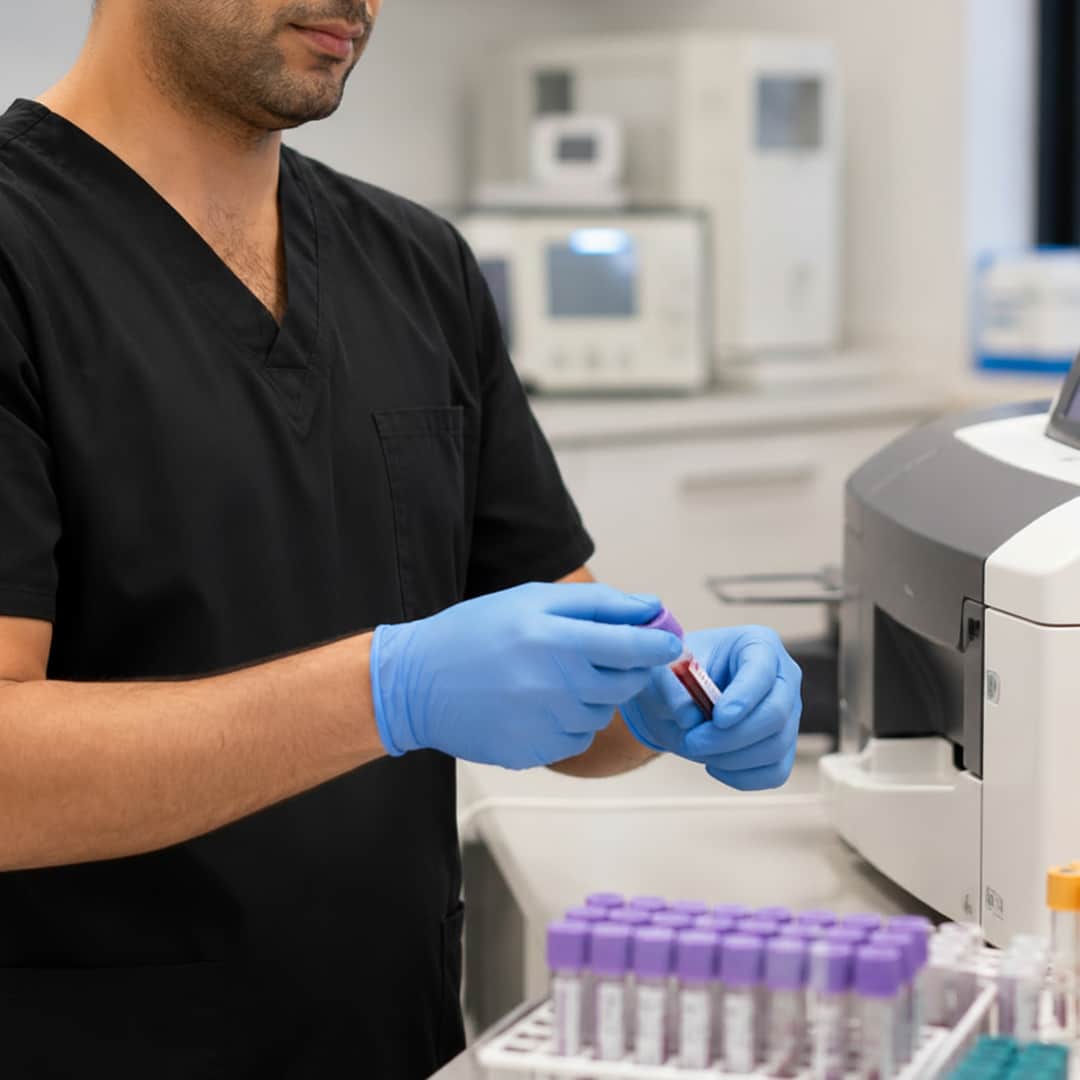
Digital X-rays
X-rays give us a detailed look inside your pet’s body using a safe, low dose of radiation. They’re the go-to for bones and joints, the chest and lungs, the abdomen, and finding things pets shouldn’t have swallowed. Imaging is quick, and most pets need no sedation at all.
Ultrasound for dogs and cats
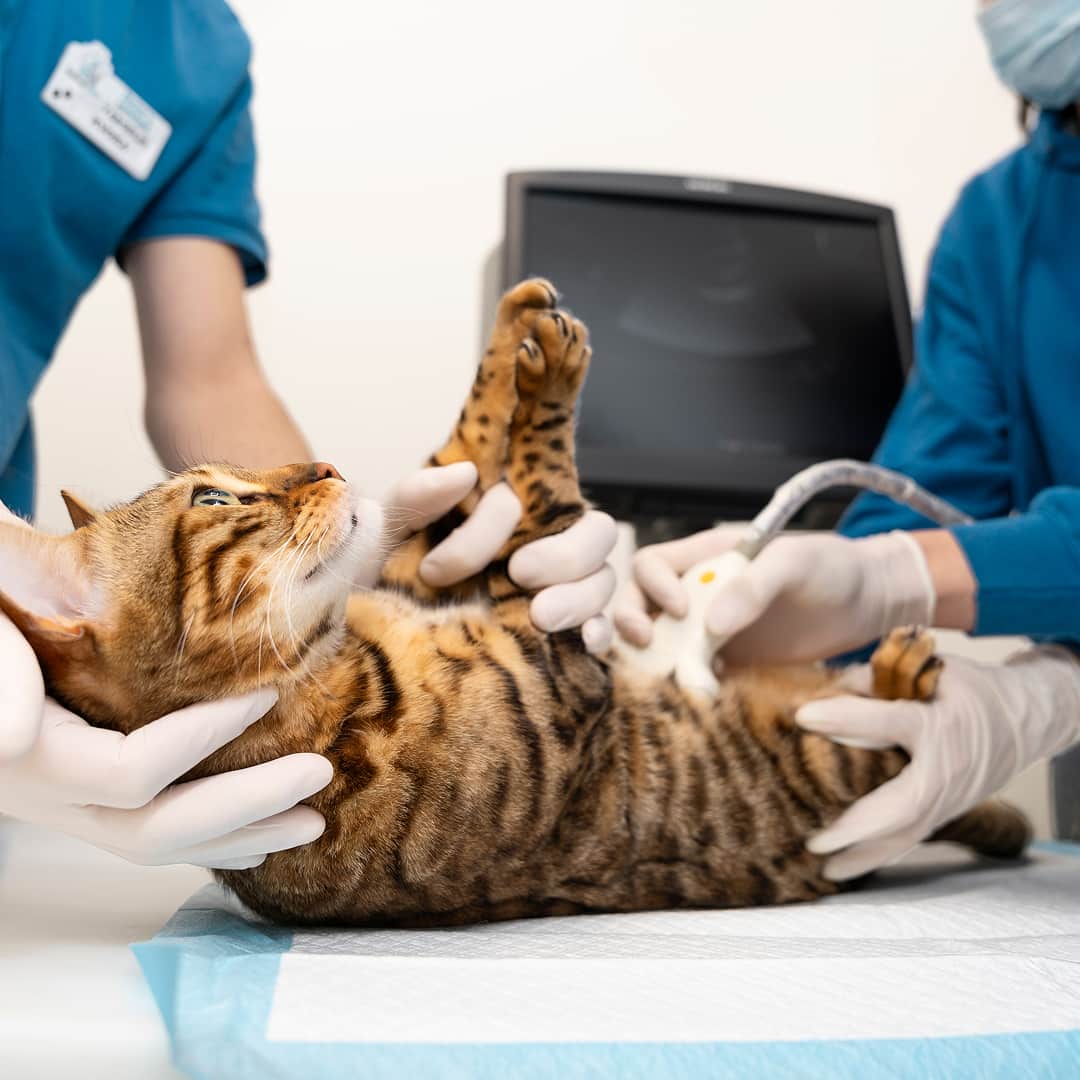
Ultrasound uses sound waves to create real-time pictures of your pet’s internal organs, with no radiation at all. It’s completely safe, usually needs no anesthesia, and gives us a moving view of the abdomen, bladder, and other soft tissues that X-rays can’t show. To get the clearest image, a small patch of fur may be shaved.
When your dog or cat might need testing
- They’re unwell and we need answers: vomiting, limping, drinking more, losing weight, or just not themselves
- Before anesthesia, as part of a surgical or dental workup
- Yearly screening at their checkup, especially for senior pets
- Monitoring an ongoing condition or a long-term medication
- Checking a new lump, an ear that won’t settle, or a skin problem
Why choose TVS for your pet’s Diagnostics
- In-clinic lab and digital imaging for fast answers, often the same visit
- Bloodwork, urinalysis, fecal testing, X-rays, and ultrasound in one place
- Results explained in plain language, with clear next steps
- Same-day testing for sick pets, 7 days a week
- Pre-anesthetic bloodwork that makes surgery and dental work safer
- Education-first: we recommend only the tests your pet needs
- Transparent pricing, quoted upfront
- Two Toronto veterinary clinics, North York and Parliament, open 7 days a week
Common questions about
Diagnostics
Owners trust us with the animals they love, and we don’t take that lightly.
Many of our in-clinic tests, including bloodwork, urinalysis, and X-rays, come back the same visit or the same day, which means treatment can start right away. Specialized tests sent to an outside lab typically take a few days. Either way, we’ll go over the results with you in plain language.
A lot. The CBC shows infection, anemia, and immune activity, while the chemistry panel reads how the kidneys and liver are working, along with blood sugar, electrolytes, and hormones like thyroid. Together they catch problems long before symptoms show, and they give us a healthy baseline to compare against as your pet ages.
Yes. We recommend yearly screening, bloodwork, a fecal exam, and heartworm and tick-borne disease testing, even for pets who seem perfectly fine, because these conditions often hide for months. Simple yearly tests catch hidden problems early, when they’re easiest to treat.
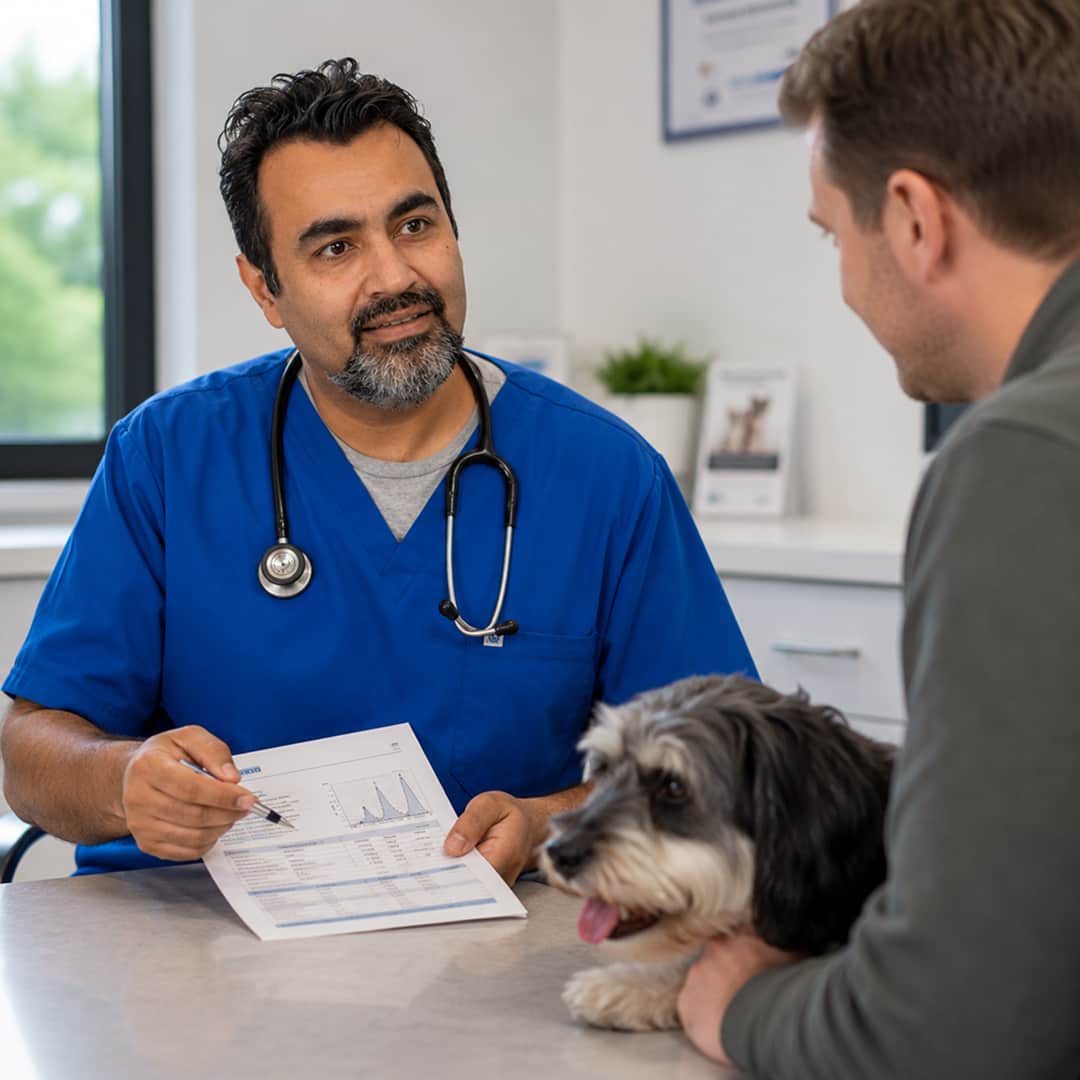
Pre-anesthetic bloodwork confirms your pet’s organs can process anesthesia safely and catches hidden issues before the procedure, not during it. It’s a quick test that lets us tailor the anesthetic to your pet, and it’s a standard part of how we keep surgery and dental work safe.
Available at both clinics
Urgent visits can be booked at either location, by phone or request an appointment online. Our North York pet clinic stays open the latest, as late as 11pm.
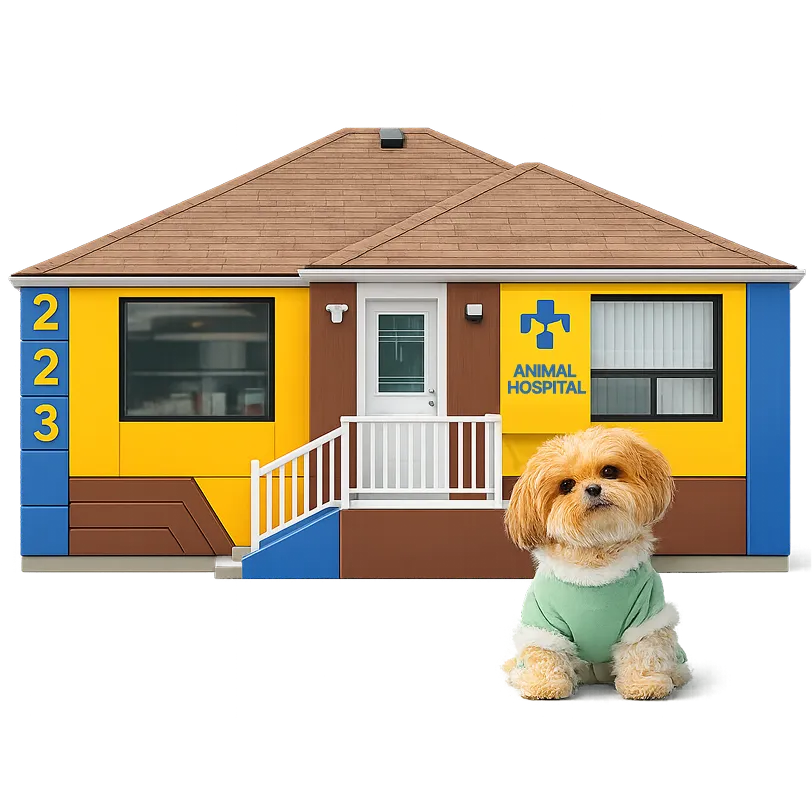
Toronto North Animal Hospital (North York)
Your North York vet, serving Willowdale, Lansing, Bayview Village, and the Yonge and Sheppard area.
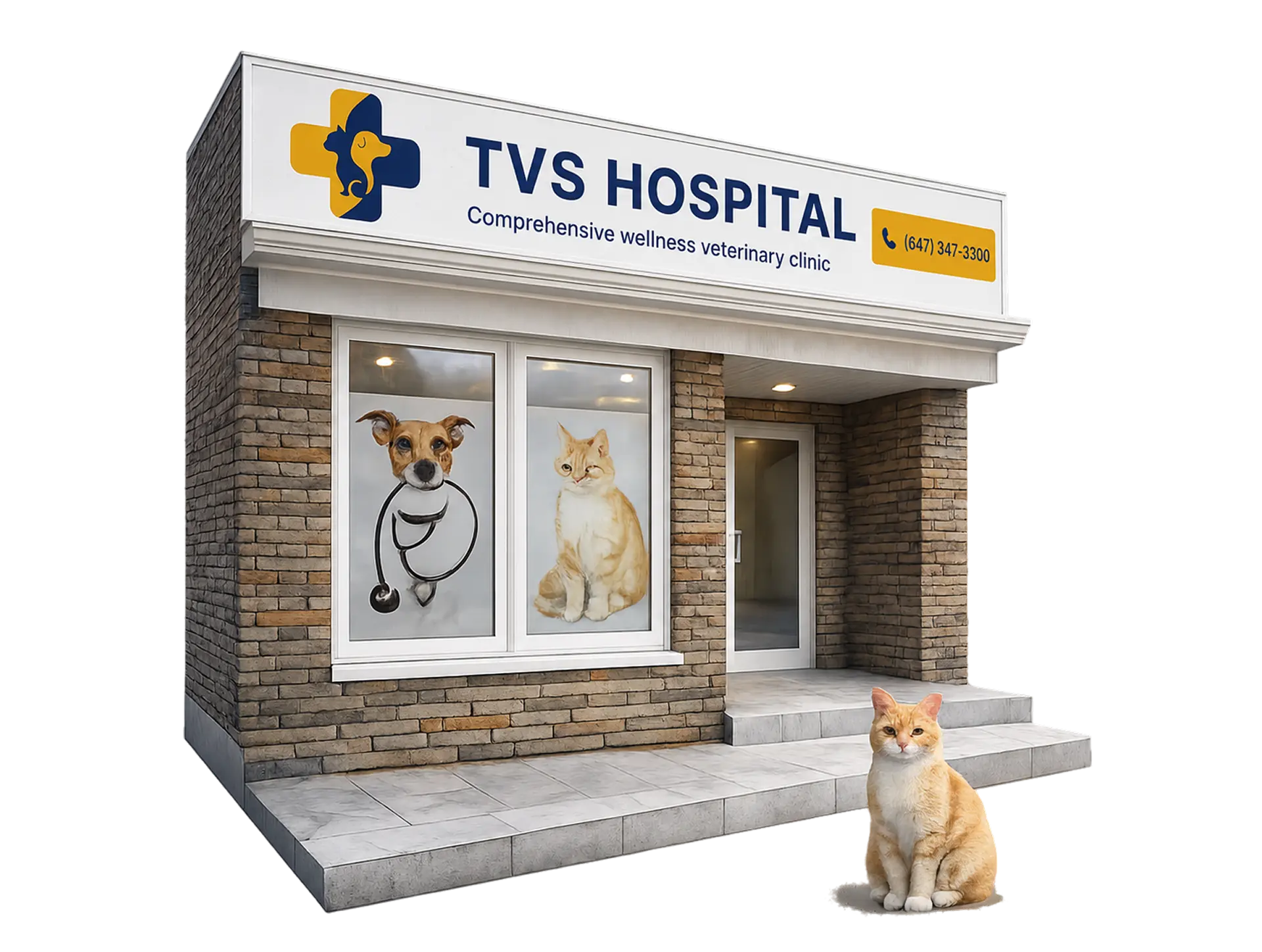
Parliament Animal Hospital (Cabbagetown)
Your Cabbagetown vet, serving Riverdale, Regent Park, Corktown, and St. James Town.