Spay and NeuterClinic in Toronto
Spaying or neutering is one of the most caring, routine decisions you’ll make for your dog or cat, and it’s one of the most common surgeries we perform. At TVS Animal Hospitals, your pet’s spay or neuter is handled by an experienced surgical team, with a full pre-surgery check, modern anesthesia and monitoring, and pricing we quote upfront. We’re open 7 days a week at two Toronto clinics, so it’s easy to request an appointment that works.


Experienced in-house surgical team
Pre-surgery exam and bloodwork
Transparent pricing, quoted upfront
Attentive aftercare and follow-up
What spaying and neutering involves
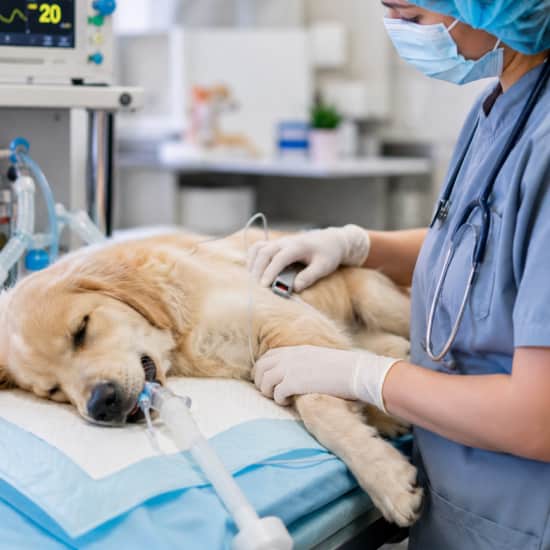
Spaying and neutering are routine surgeries that prevent your pet from reproducing. Spaying is for females and removes the ovaries, usually along with the uterus, in a procedure called an ovariohysterectomy. Neutering is for males and removes the testicles, a procedure called castration. Both are done under general anesthesia, take most pets a single morning, and let them head home the same day to recover with you. Before anything is booked, we walk you through exactly what to expect at each step.
The health and behaviour benefits
Beyond preventing unplanned litters, spaying and neutering protect your pet’s long-term health. Spaying greatly reduces the risk of mammary tumours and prevents uterine infections like pyometra, which can become life-threatening. Neutering prevents testicular cancer and lowers the risk of some prostate problems. Many owners also notice calmer, less hormone-driven behaviour, with less roaming, marking, and mounting. Your pet’s core personality stays exactly the same. We’ll talk through the benefits that matter most for your individual dog or cat.

When should you spay or neuter your pet?
The right timing depends on your pet’s species, breed, and size, so there’s no single rule. For many dogs and cats, spaying or neutering between six and nine months works well. Large and giant-breed dogs often benefit from waiting a little longer, until their bones have matured. Cats are usually ready earlier. The best plan comes out of your pet’s pre-surgery exam, where we weigh age, size, health, and lifestyle and give you a clear recommendation, never a one-size-fits-all answer.
Why choose TVS for your pet’s Spay and Neuter
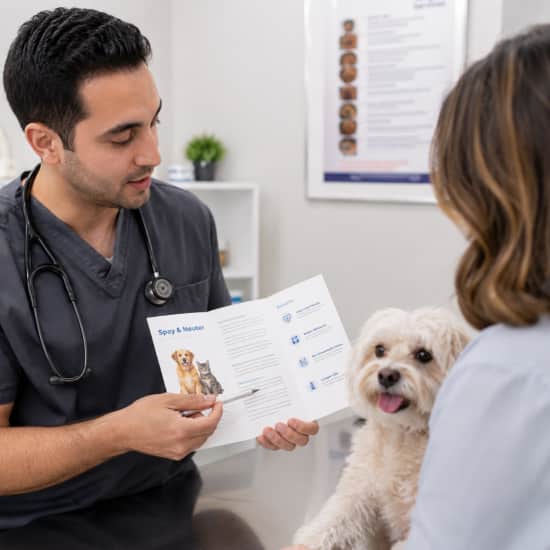
High-volume and low-cost clinics have their place, but they aren’t the right fit for every pet or every owner. At TVS you get personalized surgical care, with no eligibility requirements and no long waitlists.
- Experienced surgeons, led by our founder, Behrooz Tamjidi DVM
- A full pre-surgery exam and bloodwork before any anesthesia
- Modern anesthesia with monitoring from start to finish
- Pain management built into every procedure
- Transparent pricing, quoted upfront, with no surprises
- Dogs and cats of any size, plus senior and higher-risk pets welcome after screening
- Clear written aftercare and a follow-up call to check on recovery
- Open 7 days a week at two Toronto veterinary clinics
Common questions about
Spay and Neuter
Owners trust us with the animals they love, and we don’t take that lightly.
Spaying is the surgery for female pets and removes the ovaries, usually along with the uterus. Neutering is the surgery for male pets and removes the testicles. People often use “neutering” as a general term for both. Either way, the goal is the same, to prevent reproduction and deliver the health and behaviour benefits that come with it.
For many dogs and cats, six to nine months is a good window, but it really depends on species, breed, and size. Large and giant-breed dogs often do better waiting until they’re more mature. We’ll give you a clear, individual recommendation at your pet’s pre-surgery exam.
Yes. These are among the most common and most routine surgeries in veterinary medicine. We lower the risk further with a pre-surgery exam and bloodwork, modern anesthesia, monitoring throughout, and pain management built in. If anything in your pet’s screening needs attention first, we’ll tell you before we proceed.
The cost depends on your pet’s species, sex, size, and age, since these affect the length and complexity of surgery. We quote the full price upfront, before anything is booked, so there are no surprises. If cost is a concern, tell us, and we’ll explain exactly what’s included and talk through your options.
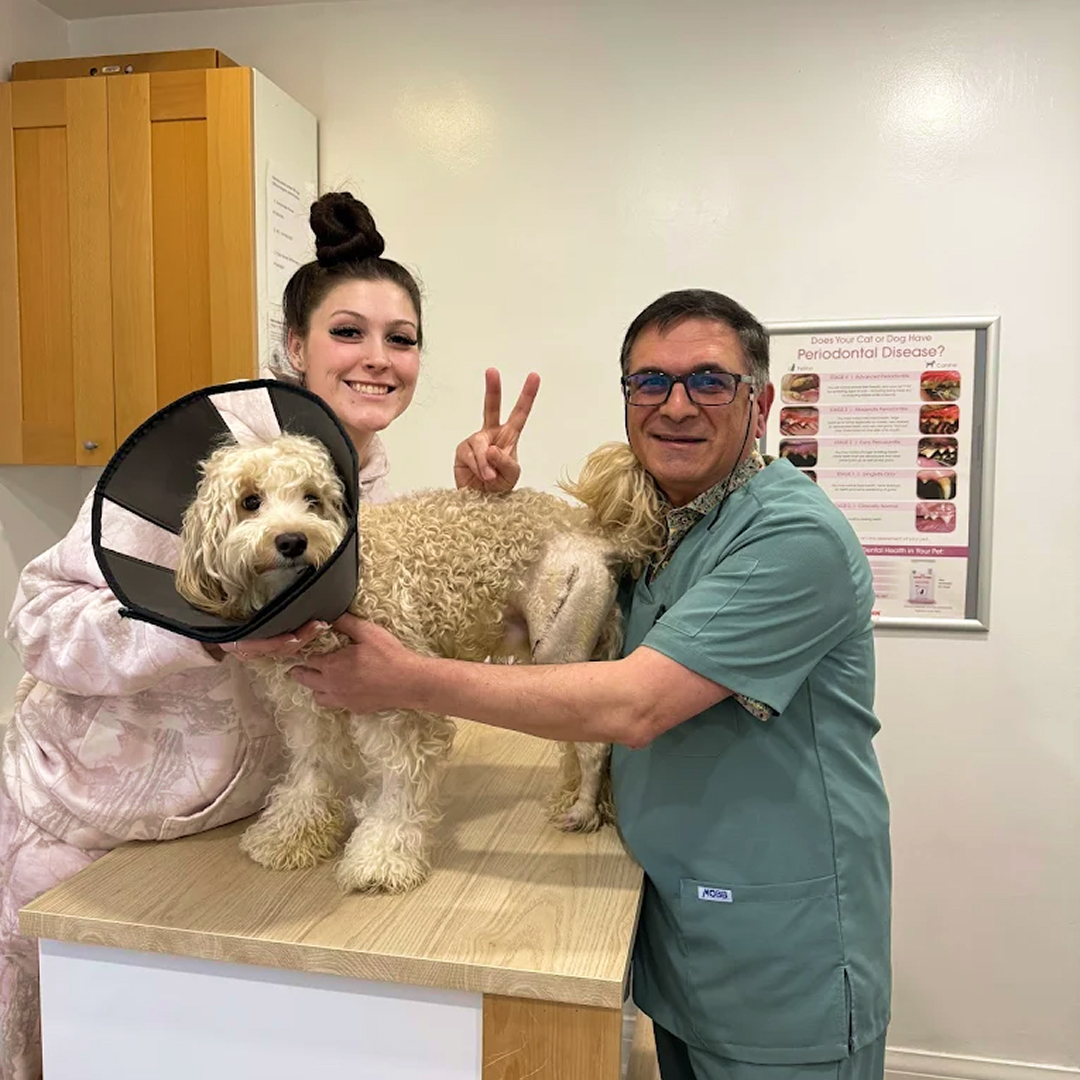
Most pets are back to themselves within a few days, with full healing over about 10 to 14 days. Plan for rest, with no running, jumping, or baths during that window, and an e-collar to stop your pet licking the incision. Appetite usually returns within a day or two. You’ll go home with clear written instructions, and we’ll follow up to make sure recovery is on track.
Available at both clinics
Urgent visits can be booked at either location, by phone or request an appointment online. Our North York pet clinic stays open the latest, as late as 11pm.
Toronto North Animal Hospital (North York)
Your North York vet, serving Willowdale, Lansing, Bayview Village, and the Yonge and Sheppard area.
Parliament Animal Hospital (Cabbagetown)
Your Cabbagetown vet, serving Riverdale, Regent Park, Corktown, and St. James Town.