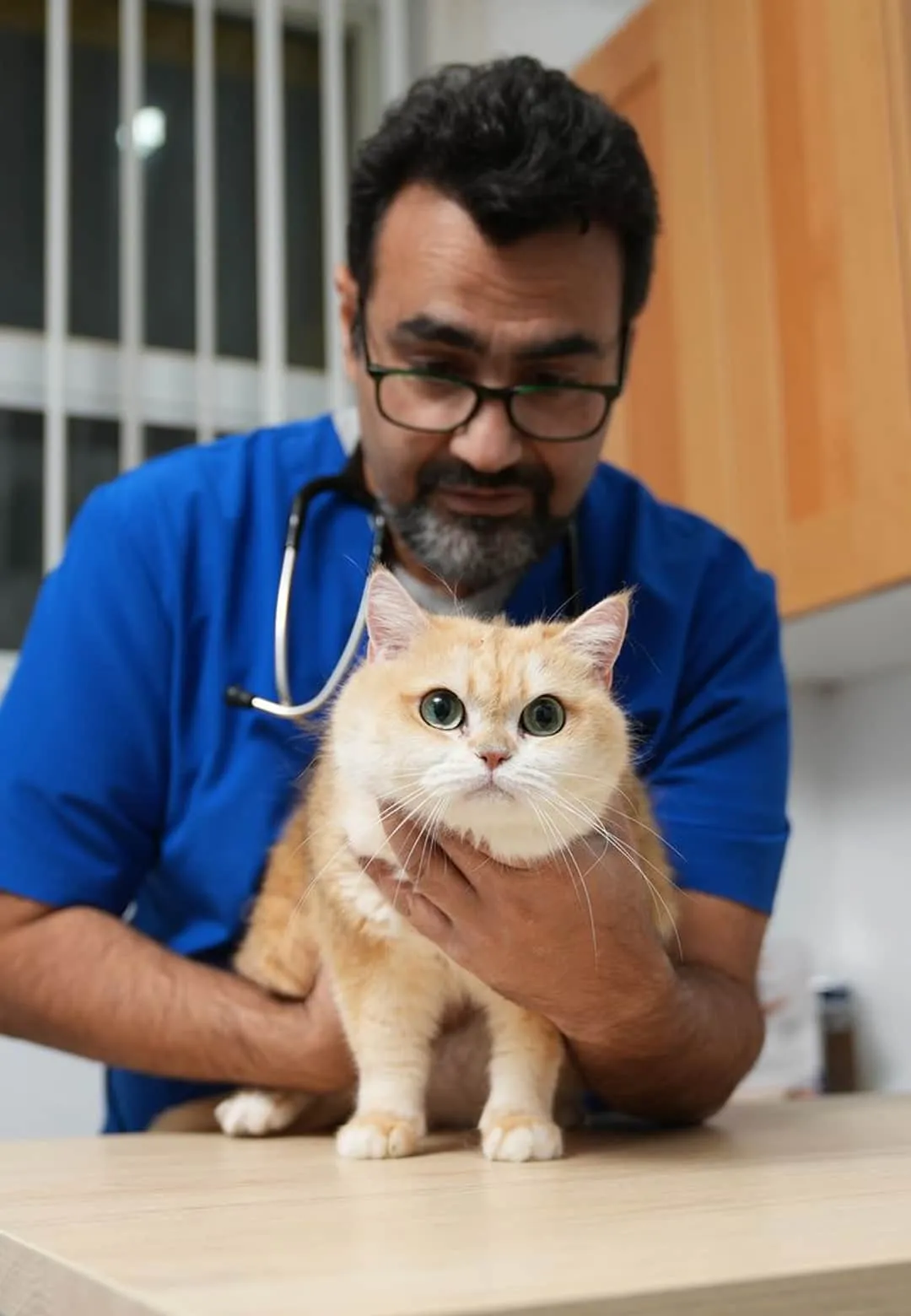
Why Summer Swimming Leads to Dog Ear Infections, and How to Prevent Them
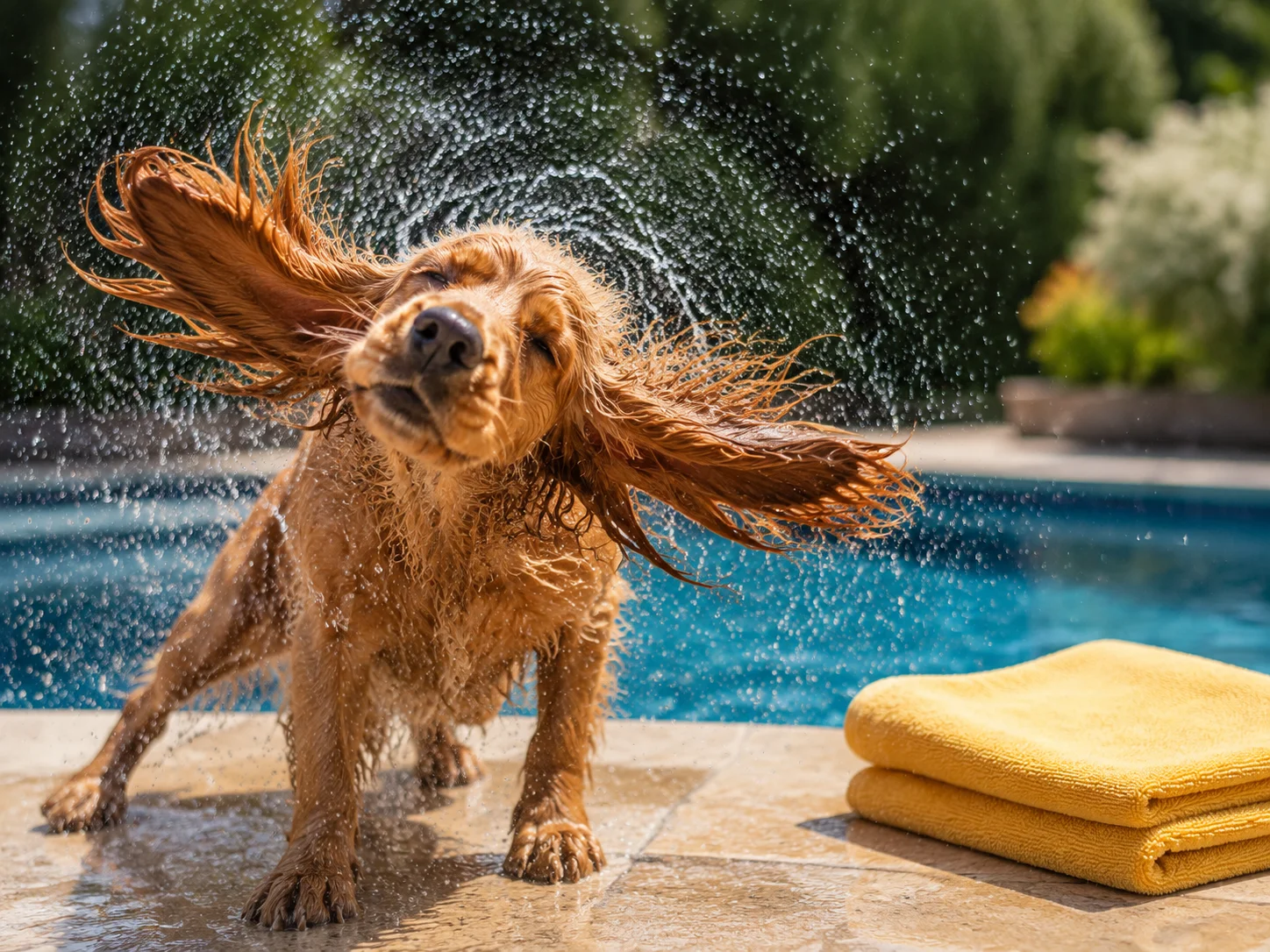
Blame the plumbing. A dog's ear canal runs straight down, then takes a sharp turn inward toward the eardrum. That L-shaped bend traps water after every swim, and no amount of head shaking clears it completely. Warm, dark, and damp, the canal becomes the perfect place for trouble to grow.
That is why dog ear infections spike every summer. At TVS Animal Hospitals, the season's lake days, pool afternoons, and splash-pad visits reliably bring a wave of itchy, smelly ears through our doors in Toronto and North York. The good news: a two-minute routine after each swim prevents most of them.
What actually happens inside a wet ear
Healthy ears are not sterile. Small numbers of yeast and bacteria live there all the time, kept in check by a dry, balanced environment. Trapped water changes the environment, and those normal residents multiply into an infection of the outer canal, the most common type veterinarians see.
Lake and pond water raises the stakes by carrying extra bacteria in with it. Chlorinated pools are cleaner but still leave the canal wet, and moisture, not dirt, drives the problem.
Signs of a dog ear infection
Water alone causes a bit of head shaking that settles within a day. An infection announces itself differently:
- Head shaking or ear scratching that continues past the first day
- A musty, sweet smell (usually yeast) or a genuinely foul odour (often bacteria)
- Redness inside the ear flap or at the canal opening
- Brown, yellow, or black discharge
- Yelping or pulling away when you touch the ear
- Rubbing the head along carpet or furniture
A head tilt, stumbling, or loss of balance means the infection may have moved deeper. Call us the same day if you see those signs.
The dogs that get ear infections most
- Floppy-eared breeds such as retrievers, spaniels, and basset hounds, because the flap seals moisture in like a lid
- Dogs with hairy ear canals, including poodles and doodles
- Allergy-prone dogs, since allergies inflame the canal's skin first and infection moves in second
- Enthusiastic swimmers of any breed, ear shape included
That allergy connection deserves attention. If your dog's ears flare up repeatedly, water is often just the trigger, not the cause, and the infections will keep returning until the underlying allergy gets addressed. Allergy testing finds the real driver so you can stop treating the same ear every August.
How to prevent dog ear infections after swimming
- Towel-dry the ear flap and the canal opening after every swim, and let your dog shake freely
- Follow swim days with a veterinary ear cleaner that contains a drying agent, and ask us which product suits your dog's ears
- Never push cotton swabs into the canal, since they pack debris deeper and can injure the eardrum
- Skip homemade vinegar, alcohol, or peroxide mixes, which sting inflamed skin and make sore ears worse
- Do a weekly sniff-and-look check so you recognize your dog's normal ear and catch changes early
- Manage known allergies before swim season starts
Why ear infections need a vet, not a pharmacy aisle
Yeast and bacteria cause identical-looking misery from the outside but need different medications. A quick swab examined under the microscope, part of our in-house diagnostics, identifies the culprit in minutes and gets treatment right the first time.
Guessing with leftover or store-bought drops usually costs weeks, and some medications cause real harm if the eardrum has torn. Untreated dog ear infections also compound: the canal's lining thickens with each round, the space narrows, and what began as a simple summer problem becomes a chronic one that can affect hearing.
Sore ears count as a same-day problem at TVS. Our urgent care team sees ear infections seven days a week at both clinics.
- TVS Animal Hospital North York: (416) 546-7493
- TVS Animal Hospital Parliament: (647) 347-3300
Common questions about dog ear infections
Should my dog stop swimming if he keeps getting ear infections?
Usually not. Most swimmers do fine once a dry-and-clean routine follows every outing and any underlying allergy gets managed. Talk to us before benching a dog who loves the water, because the fix is usually simpler than that.
Will a dog ear infection clear up on its own?
Rarely. The trapped, inflamed environment feeds on itself, so most infections worsen without treatment. Ears caught in the first few days need less medication, fewer visits, and far less discomfort than ears treated in week three.
What does the smell tell me?
A musty, bread-like odour usually points to yeast, while a sharp, foul smell suggests bacteria. Either one means the normal balance has tipped and the ear needs attention, so book a visit rather than reaching for drops.
How do I know it is an infection and not just water?
Watch the clock and use your nose. Post-swim head shaking without smell, redness, or discharge typically fades within a day. Anything that persists, smells, or hurts has moved beyond water.
An ear caught early is a quick, inexpensive fix, and a summer of swimming does not have to mean a summer of infections. If your dog's ears smell off or the head shaking will not stop, call either clinic or book through our contact page and we will take a look.