Neutering Your Dog, When to Book It and What Recovery Really Looks Like
Neutering is the most routine surgery in veterinary medicine, and it is still surgery, which means the two questions that matter are practical ones. When should it happen for your particular dog, and what do the two weeks afterward actually involve. Owners who know the answers in advance have calmer dogs, cleaner recoveries, and far fewer worried phone calls on day three.
When to book it
Timing now depends on your dog's adult size, because sex hormones help tell a growing skeleton when to finish. Research from UC Davis showed that neutering large breeds too early raises the odds of joint problems, so the old six-month rule gave way to a size-based approach. As starting points, small dogs do well around five to six months, large breeds around 9 to 15 months, and giant breeds often at 12 to 18 months. Our guide to spay and neuter timing walks through the science.
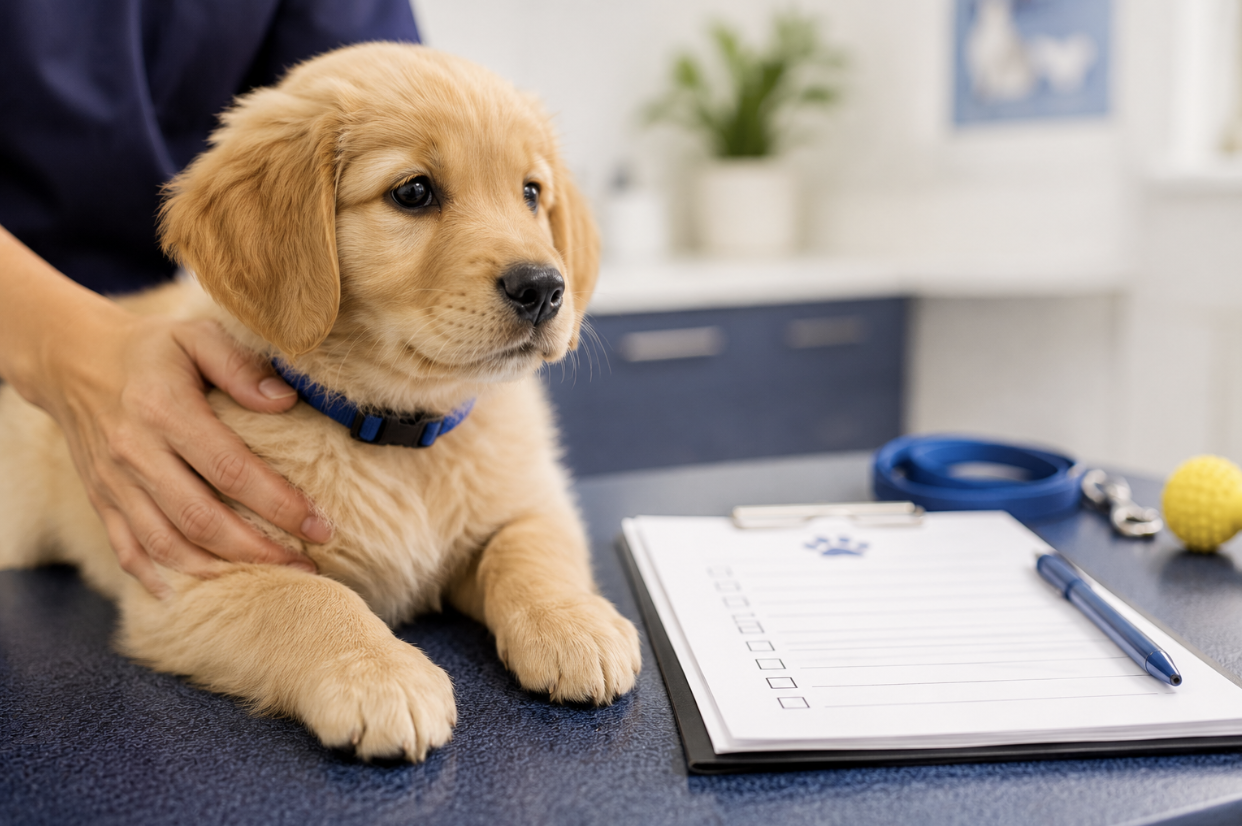
The practical move is booking the conversation early, at a puppy visit, so the surgery date lands where it should instead of where the calendar drifted. Bring your questions to our spay and neuter team and we will set the date together.
What happens on surgery day
- You drop your dog off in the morning, with food withheld overnight as instructed
- Pre-anesthetic bloodwork confirms his organs are ready for anesthesia
- Pain control starts before the first incision, not after
- The procedure itself is short, and neutering is less invasive than a spay
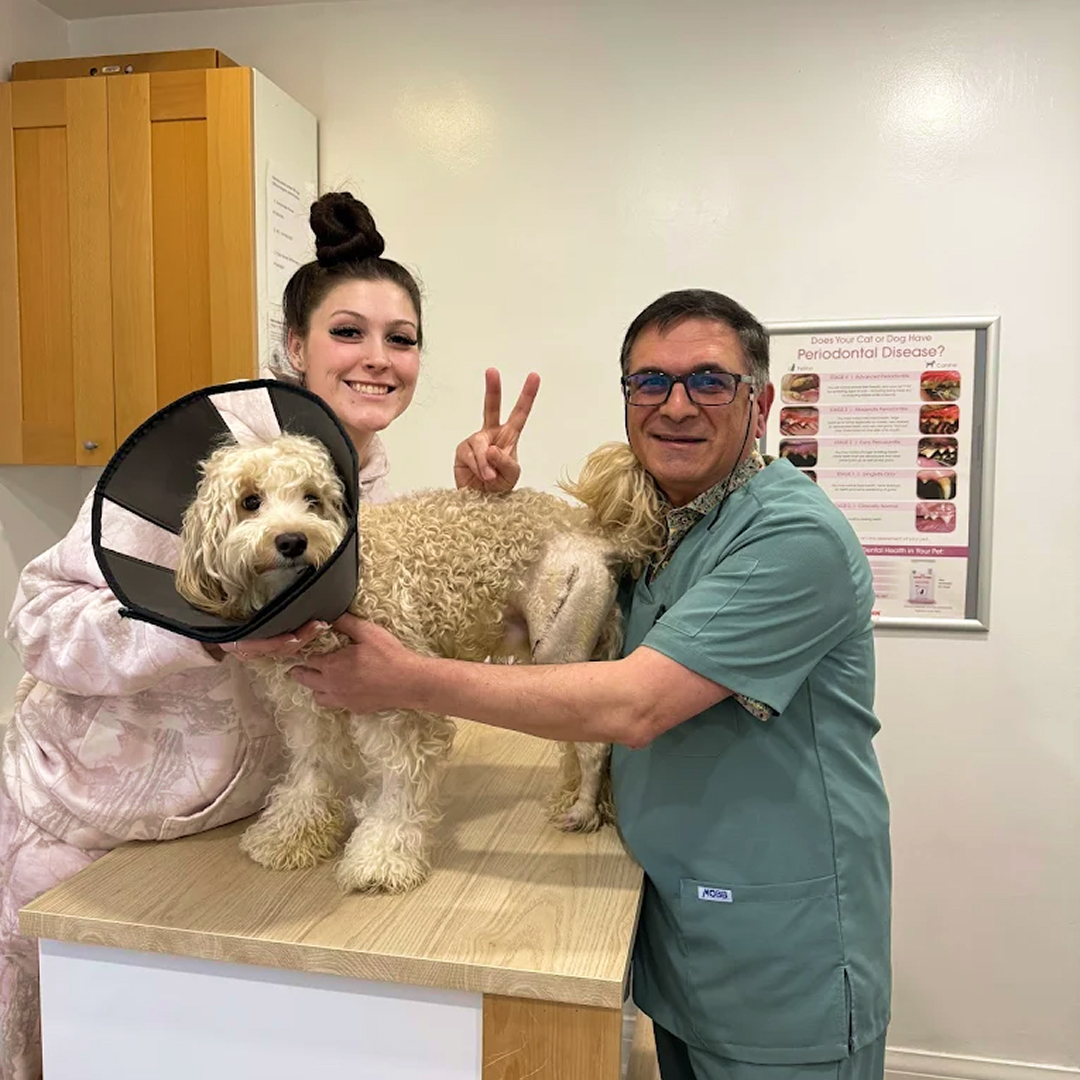
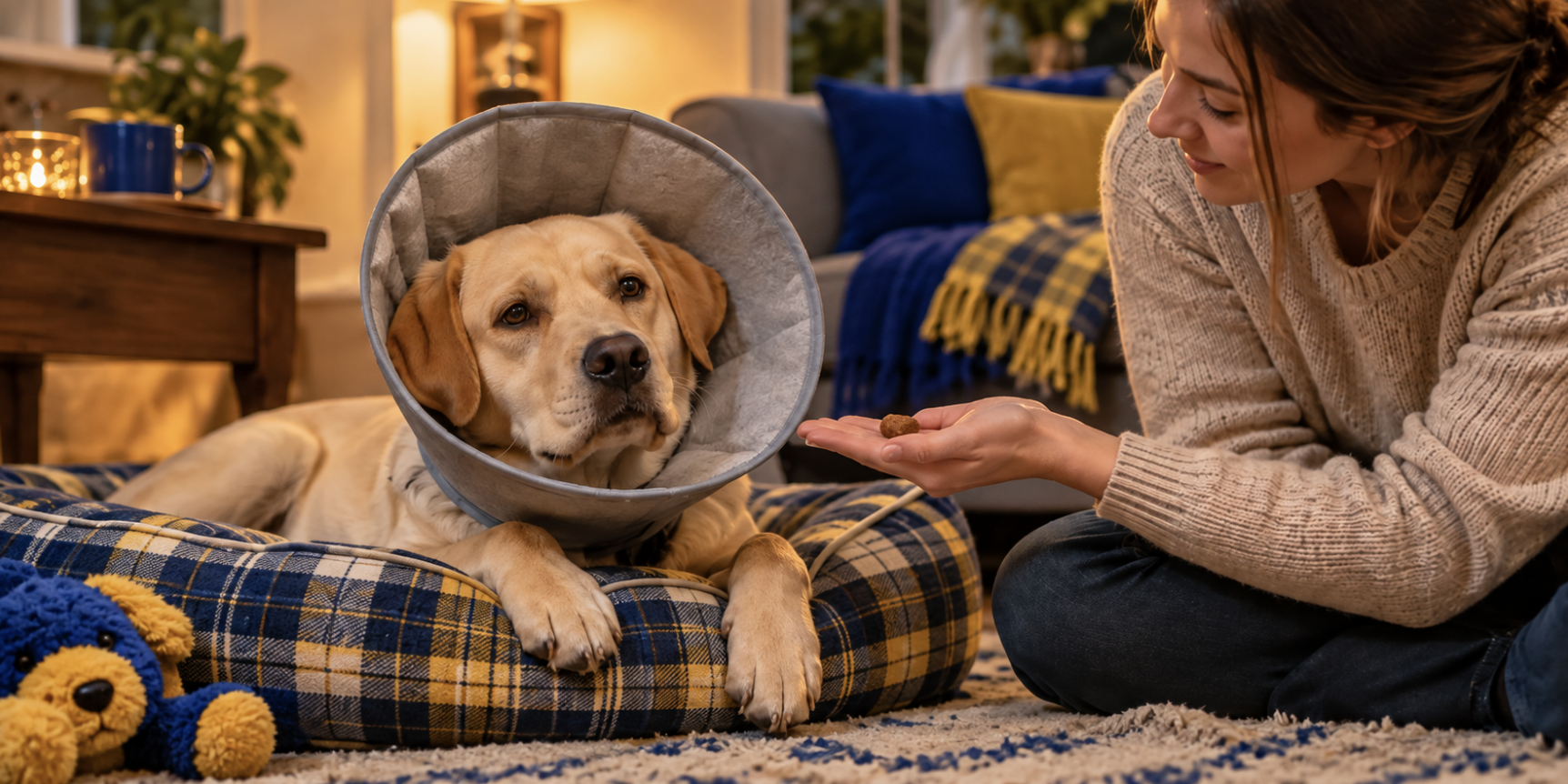
- He wakes up under monitoring, spends the afternoon dozing, and goes home the same day, groggy, hungry, and wearing a cone he did not vote for
You will get written aftercare instructions and pain medication to continue at home. Nobody leaves guessing.
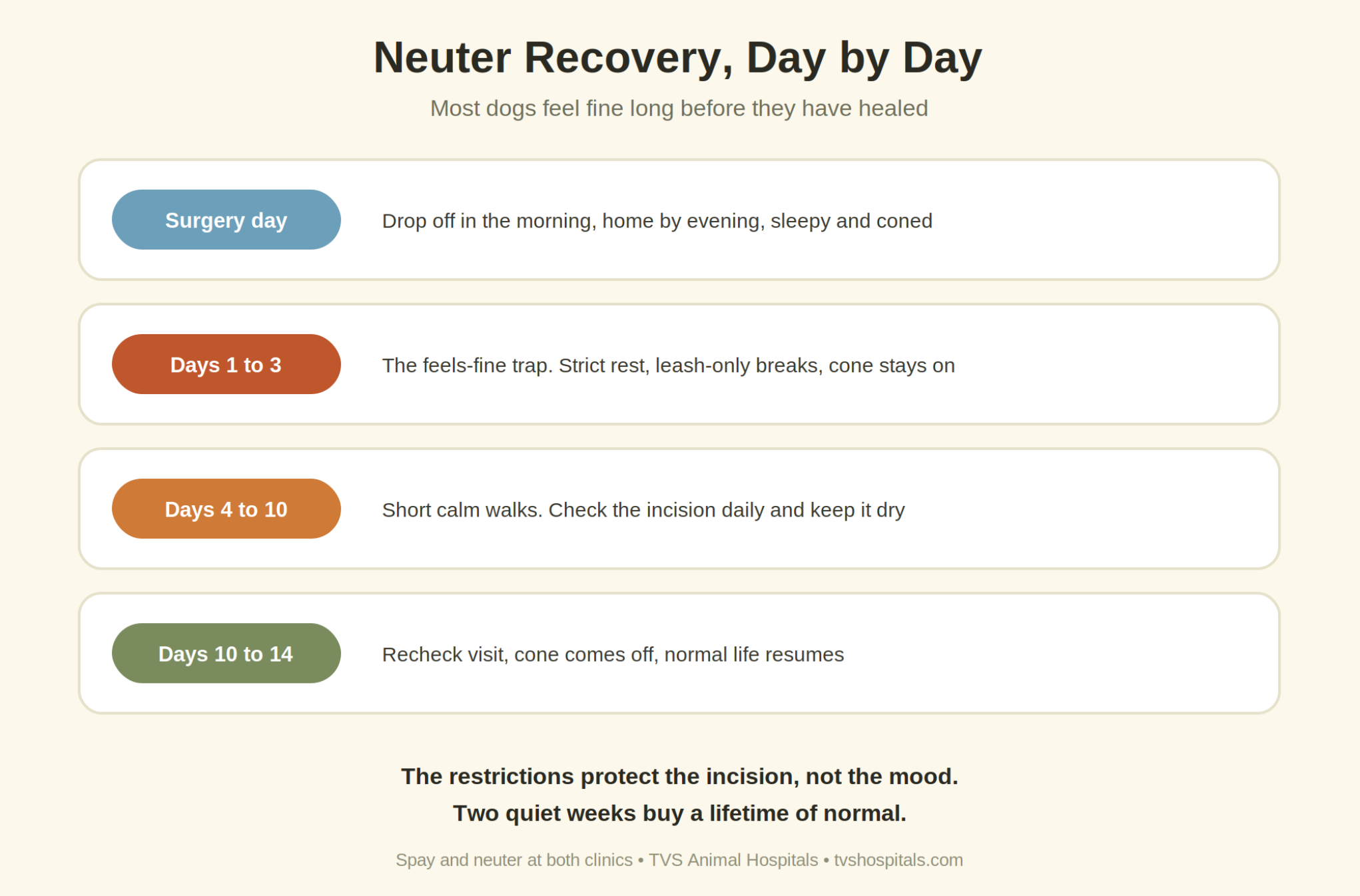
Recovery, day by day
- The first night. Sleepy, wobbly, and clingy is normal. Offer a small dinner, keep him warm, and let him rest somewhere quiet
- Days 1 to 3. Energy returns quickly, which is the trap. Leash-only bathroom breaks, no stairs marathons, no jumping on furniture, and the cone or surgical suit stays on
- Days 4 to 10. Short, calm leash walks are fine. Check the incision once a day for redness, swelling, or discharge, and keep it completely dry, which means no baths, no swimming, and no snow burrowing
- Days 10 to 14. We check the incision, confirm healing, and clear him for normal life. Most dogs return to full activity right around the two-week mark
The feels-fine trap
Here is the part that surprises people. Most dogs act fully recovered within 48 hours, long before the incision has actually healed inside. The two-week restrictions are not about how your dog feels. They are about giving tissue time to close properly, and the single most common complication we treat is a licked or over-exercised incision that reopens in a dog who felt wonderful. The cone is not cruelty. The cone is the whole plan.
A little swelling near the incision can also make it look as though nothing was removed, which prompts a memorable phone call every few weeks. It is normal fluid, and it settles on its own.
When to call us during recovery
Call the same day if you see the incision gaping open, active bleeding, spreading redness, discharge with an odour, refusal to eat past the first day, vomiting, or a dog who seems worse on day three than on day one. Recovery questions and incision worries count as same-day visits with our urgent care team, and a quick photo sent ahead often answers the question before you drive anywhere.
Common questions about neutering your dog
Will neutering change his personality? No. His personality, his affection, and his play drive stay exactly where they were. What often softens is hormone-driven behaviour such as roaming, marking, and fixation on females in heat, and most owners consider that a welcome edit rather than a change.
Will he gain weight afterward? Only if the food bowl ignores the surgery. Metabolism slows somewhat once hormones are gone, so we recalibrate his portions at the recheck, and dogs who get that adjustment stay lean.
How much pain is he actually in? Less than you fear. Between the pain control given during surgery and the medication that comes home with him, most dogs are comfortable from the first evening, and reluctance to eat or move past day one is a reason to call rather than something to accept.
My dog is three years old and still intact. Is it too late to neuter? Not at all. Adult neuters happen at our clinics every week, the growth-plate question no longer applies to a full-grown dog, and the health and behaviour benefits still follow.
Neutering your dog goes smoothly when the timing suits his size and the two quiet weeks afterward are respected. To book the surgery or just the conversation, call TVS Animal Hospital North York at (416) 546-7493 or TVS Animal Hospital Parliament at (647) 347-3300, or reach us through our contact page.