What Actually Happens at Your Pet's Annual Wellness Exam
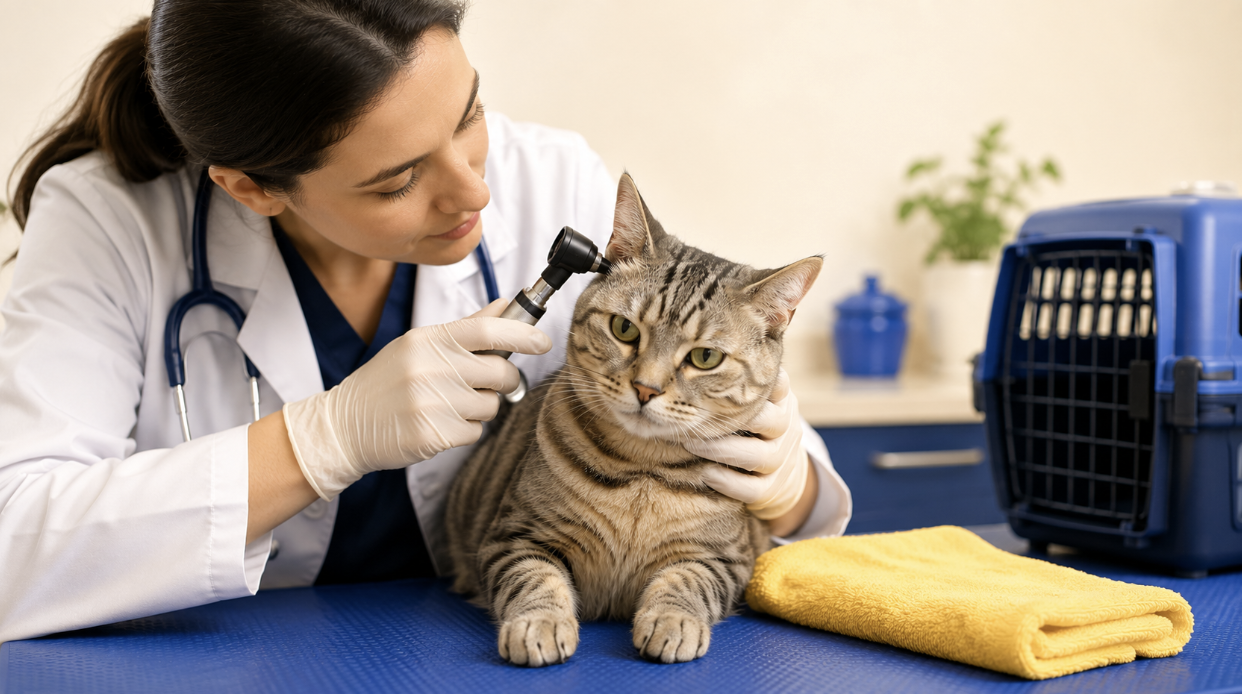
Your pet is hiding things from you. Not out of mischief, but instinct: dogs and cats both mask pain and illness because in the wild, looking weak was dangerous. By the time a hidden problem becomes visible at home, it has often been running for months.
That is the real job of the annual wellness exam. It is not a formality for healthy pets. It is a structured search for the things a healthy-looking pet is quietly concealing, run once a year because pets compress a lot of aging into every calendar year, and twice a year once they reach their senior stretch.
It starts with a conversation
Half of every wellness exam happens before anyone touches your pet. Changes in appetite, thirst, energy, weight, bathroom habits, or willingness to jump and climb stairs are clues only you can report, so come ready to talk about the ordinary details of home life.
Two things make that conversation sharper. Bring a list: your pet's food, any medications and supplements, and the questions you keep meaning to ask. And film the weird stuff. The intermittent limp, the occasional cough, the odd head tilt: none of it ever performs on cue in an exam room, and a ten-second phone video shows us exactly what you saw.
The hands-on exam, decoded
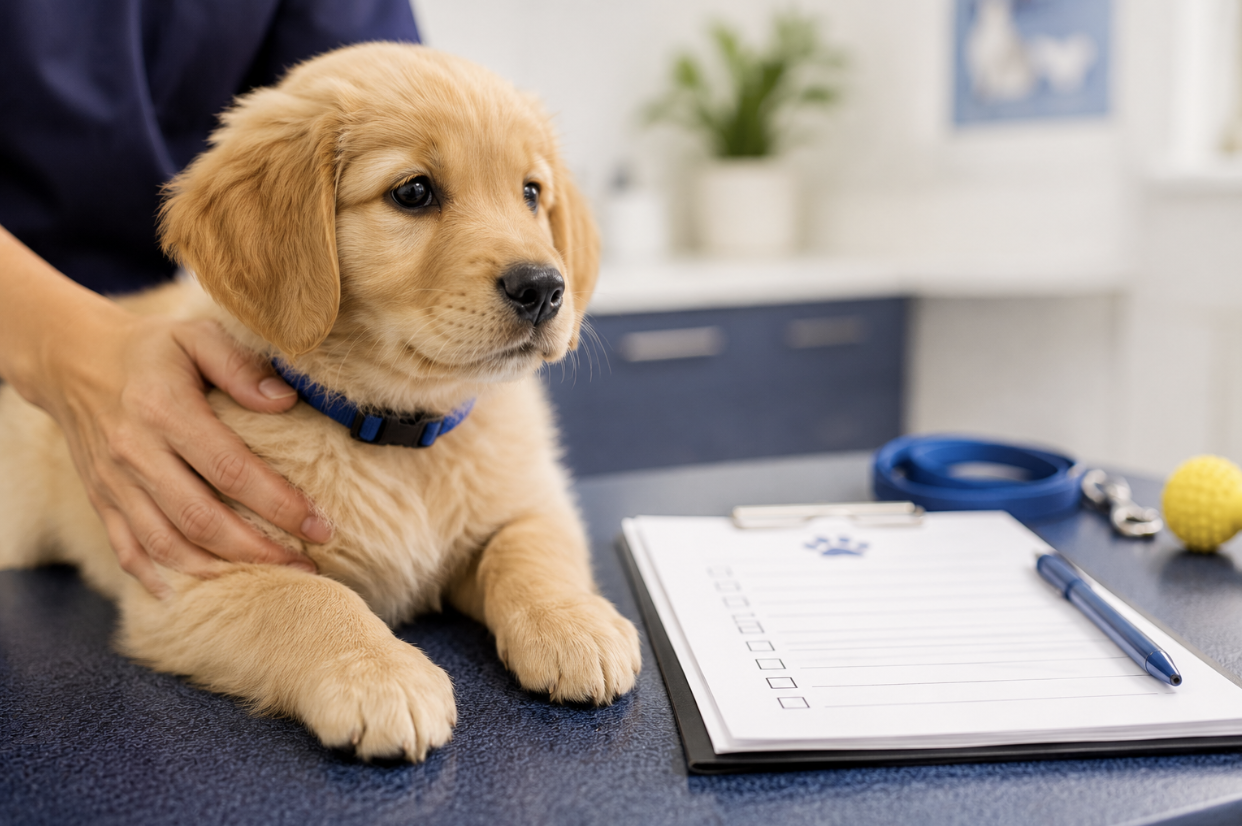
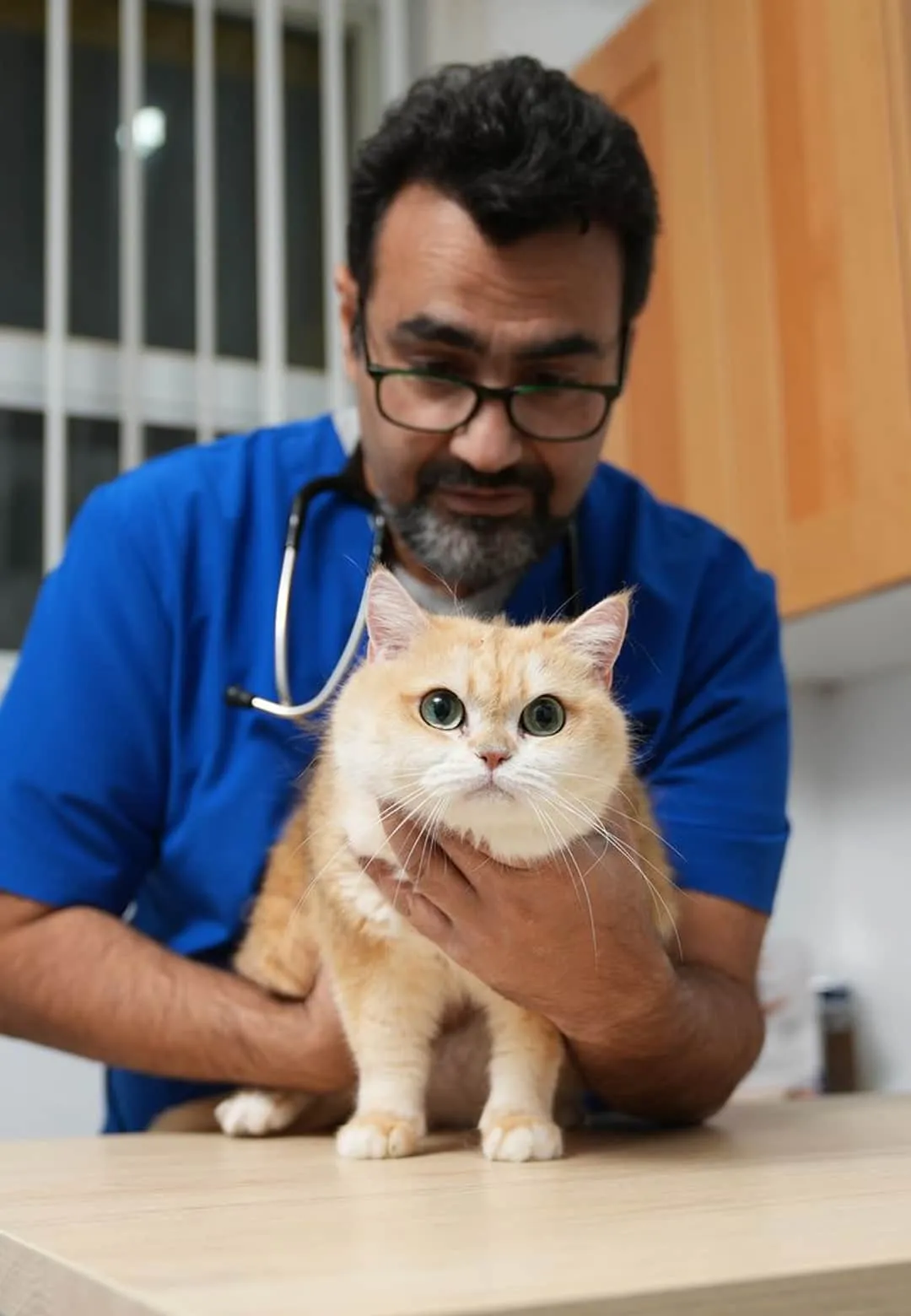
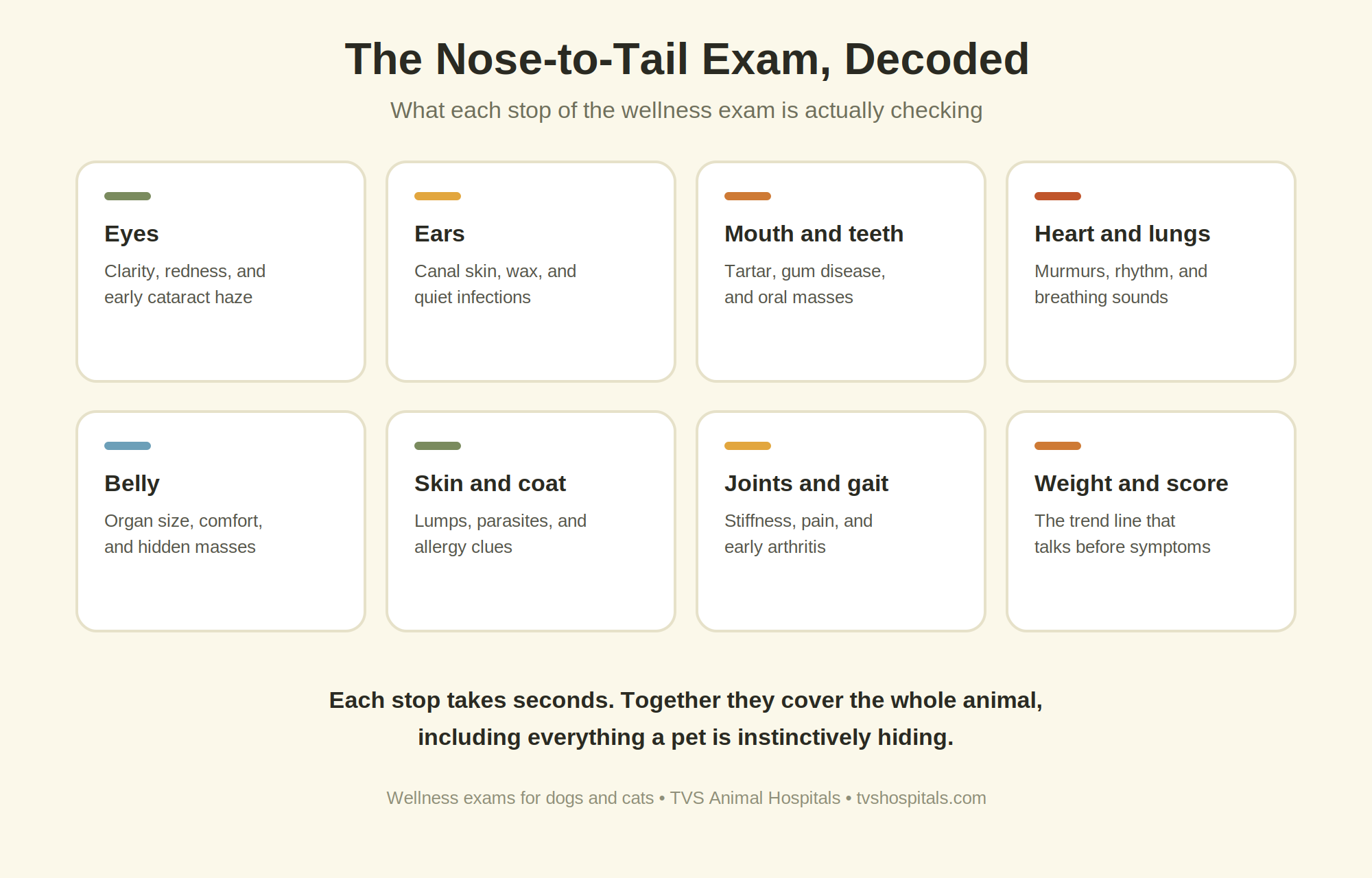
What looks like affectionate handling is actually a checklist moving nose to tail:
- Eyes: clarity, redness, and the early haze of cataracts
- Ears: canal skin and wax, since quiet ear trouble rarely announces itself
- Mouth and teeth: tartar, gum disease, and oral masses. This stop earns its time, because 70 to 80 per cent of dogs and cats show signs of dental disease by age three, most without obvious symptoms, which is why dental care conversations so often begin here
- Heart and lungs: murmurs, rhythm irregularities, and breathing sounds through the stethoscope
- Belly: gentle palpation reads organ size and comfort, and searches for masses fingers can find long before eyes can
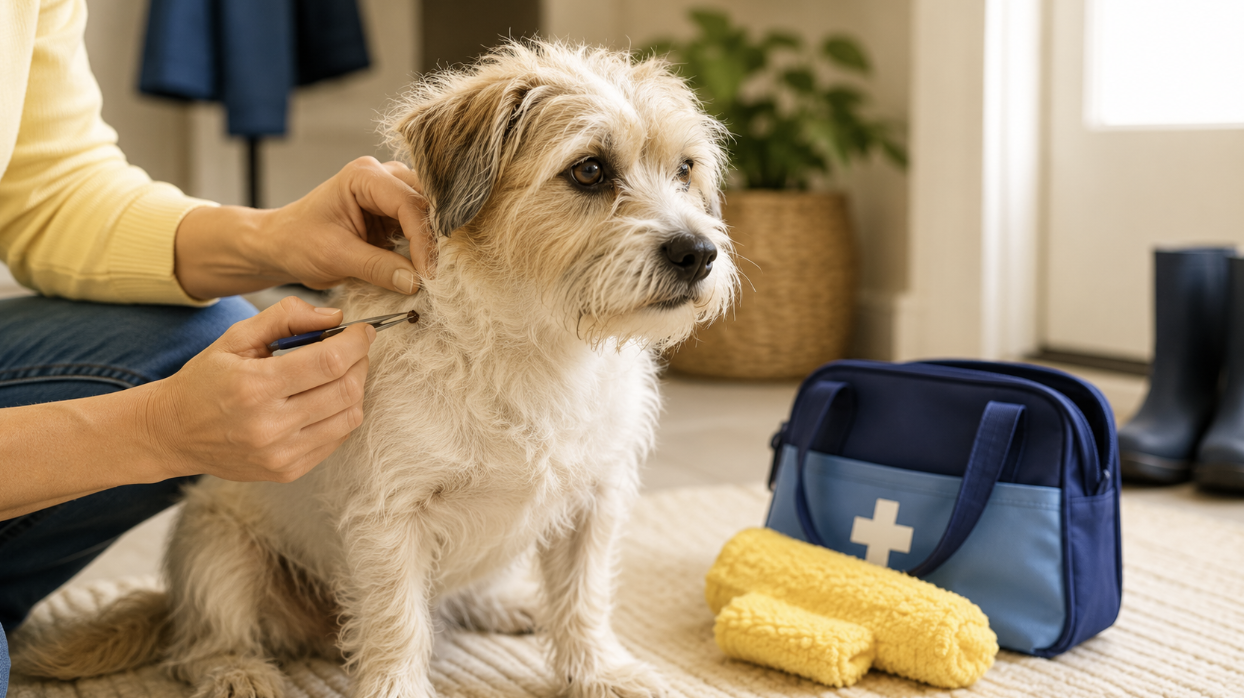
- Skin and coat: lumps, parasites, and the subtle clues of allergies
- Joints and gait: stiffness, pain responses, and early arthritis, which pets disguise best of all
- Weight and body condition: the number we trend, not just record
Why we track your pet's weight
Weight deserves its own mention because it is the most underrated data point in the file. A single reading means little. The trend across visits means a great deal, since steady drift in either direction is frequently the first measurable sign of thyroid disease, diabetes, kidney trouble, or plain overfeeding. An estimated one in two pets is overweight, and a kilogram on a cat matters in a way it never would on a person.
This is also where the exams compound. Every normal wellness exam builds the baseline that makes a future abnormal one obvious, which is the quiet return on showing up in the years when nothing is wrong.
Tests and vaccines: only when your pet needs them
Nothing else in the visit is automatic, and at TVS Animal Hospitals that is a deliberate choice. Screening bloodwork, urine testing, and fecal checks through our in-house diagnostics enter the plan when age, findings, or lifestyle justify them. Vaccine boosters get timed to the same visit when they are due, following the schedule from our puppy vaccine guide, and parasite prevention gets refreshed for the season ahead.
Whatever we recommend, we quote upfront and explain plainly, so the wellness exam stays what it should be: an hour of prevention, not a surprise on the invoice.
Seniors and cats change the math
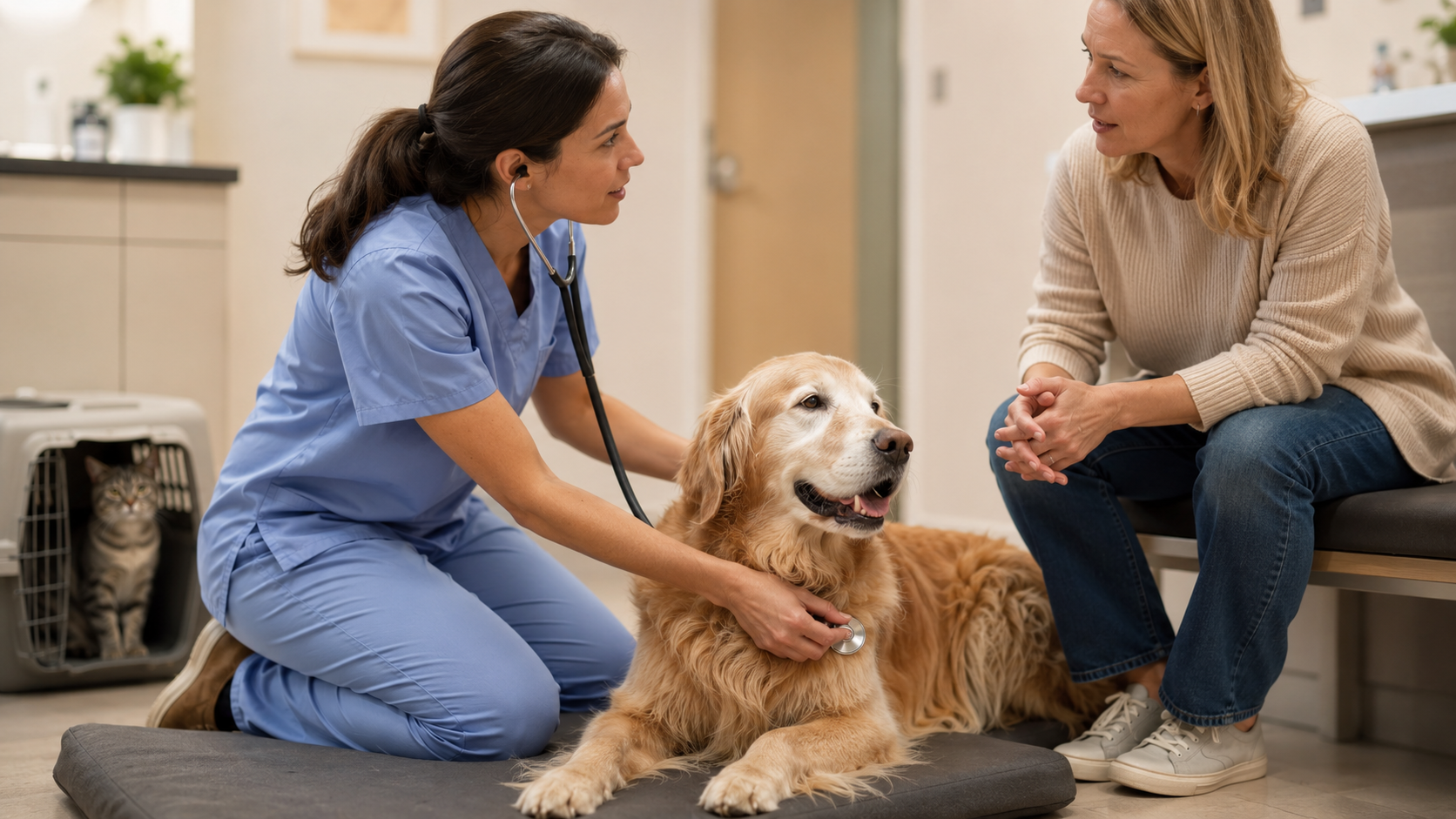
Around age seven for most dogs and cats, we recommend moving to a wellness exam every six months, because disease moves faster in older bodies and six-month intervals catch what annual ones miss.
Cats deserve their own sentence. They mask illness better than any dog, an indoor life does not exempt them, and a cat who "just got quiet" is presenting a symptom. If the carrier is the barrier, tell us, because leaving it out at home with treats inside for a week beats wrestling on appointment morning every time.
Common questions about the annual wellness exam
My pet seems completely healthy. Can we skip a year? You can, but you would be spending the cheapest visit in veterinary medicine to save the least. Masking means "seems healthy" and "is healthy" regularly differ, and a skipped year also leaves a hole in the baseline that makes future changes harder to read.
Does my indoor cat really need a wellness exam? Yes. Indoor cats still develop dental disease, kidney disease, thyroid trouble, and weight problems, and they hide all of it expertly. The exam is often the only honest report on an indoor cat's health all year.
Is bloodwork part of every exam? No. For young, healthy pets with normal findings, the hands-on exam and conversation often suffice. Bloodwork earns its place as pets age or when something in the exam suggests a closer look, and we will tell you which situation yours is in before anything runs.
A wellness exam is an unhurried hour where the goal is finding nothing, and every year it succeeds, it quietly proves its worth. If it has been more than a year, or your pet has reached the senior side of seven, call TVS Animal Hospital North York: (416) 546-7493or TVS Animal Hospital Parliament: (647) 347-3300, or book through our contact page.