When a Cat Won't Eat, and How Long Is Too Long
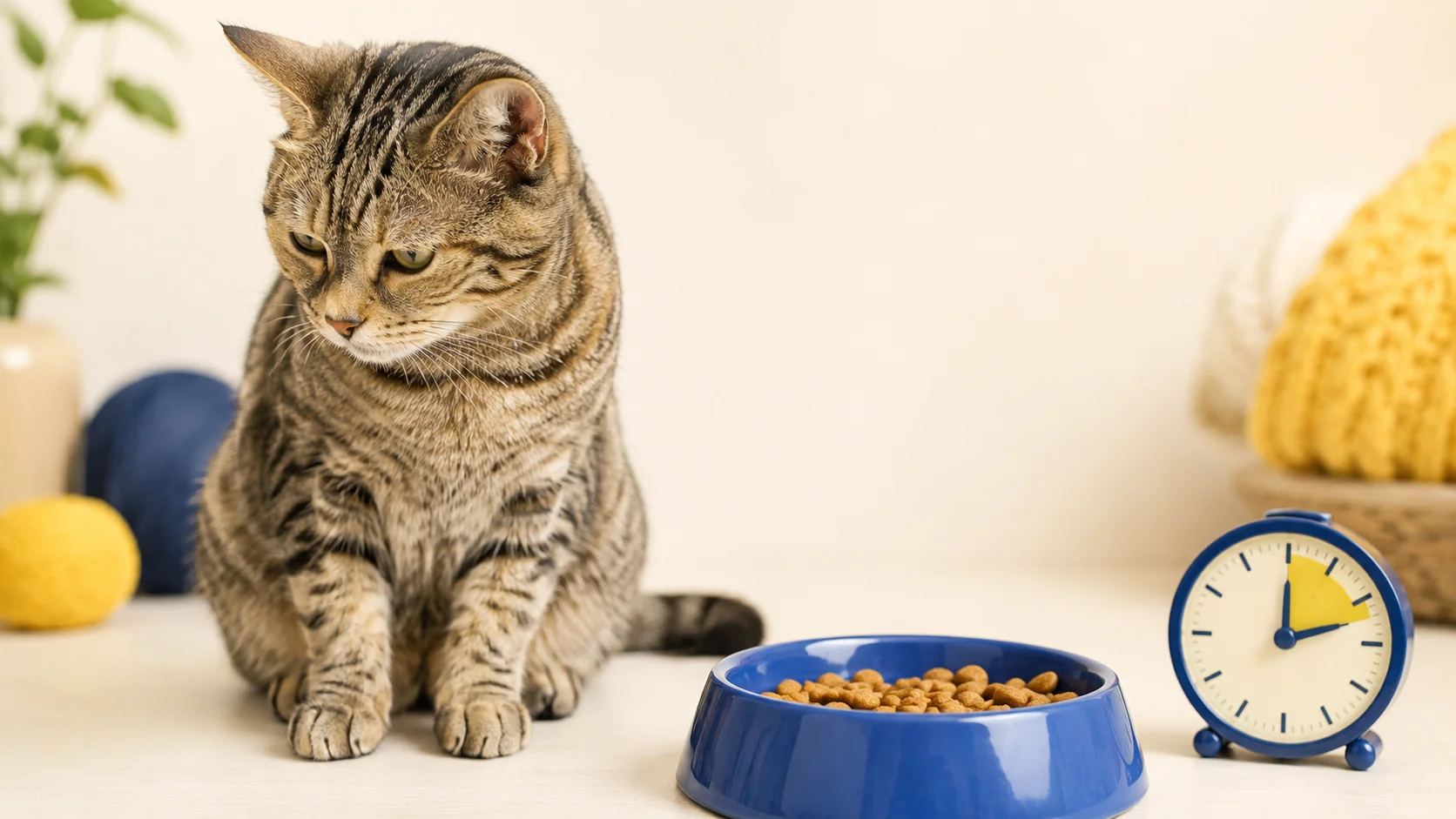
Start with the answer: for an adult cat, 24 hours without eating is the line. Not three days, not the weekend. One skipped day of food in a cat deserves a phone call, and the reason is a piece of feline biology most owners have never been told.
"She'll eat when she's hungry" is reasonable advice for a dog and quietly dangerous advice for a cat. When a cat won't eat, her body does something a dog's does not, and the clock it starts is short.
Why cats cannot safely skip meals
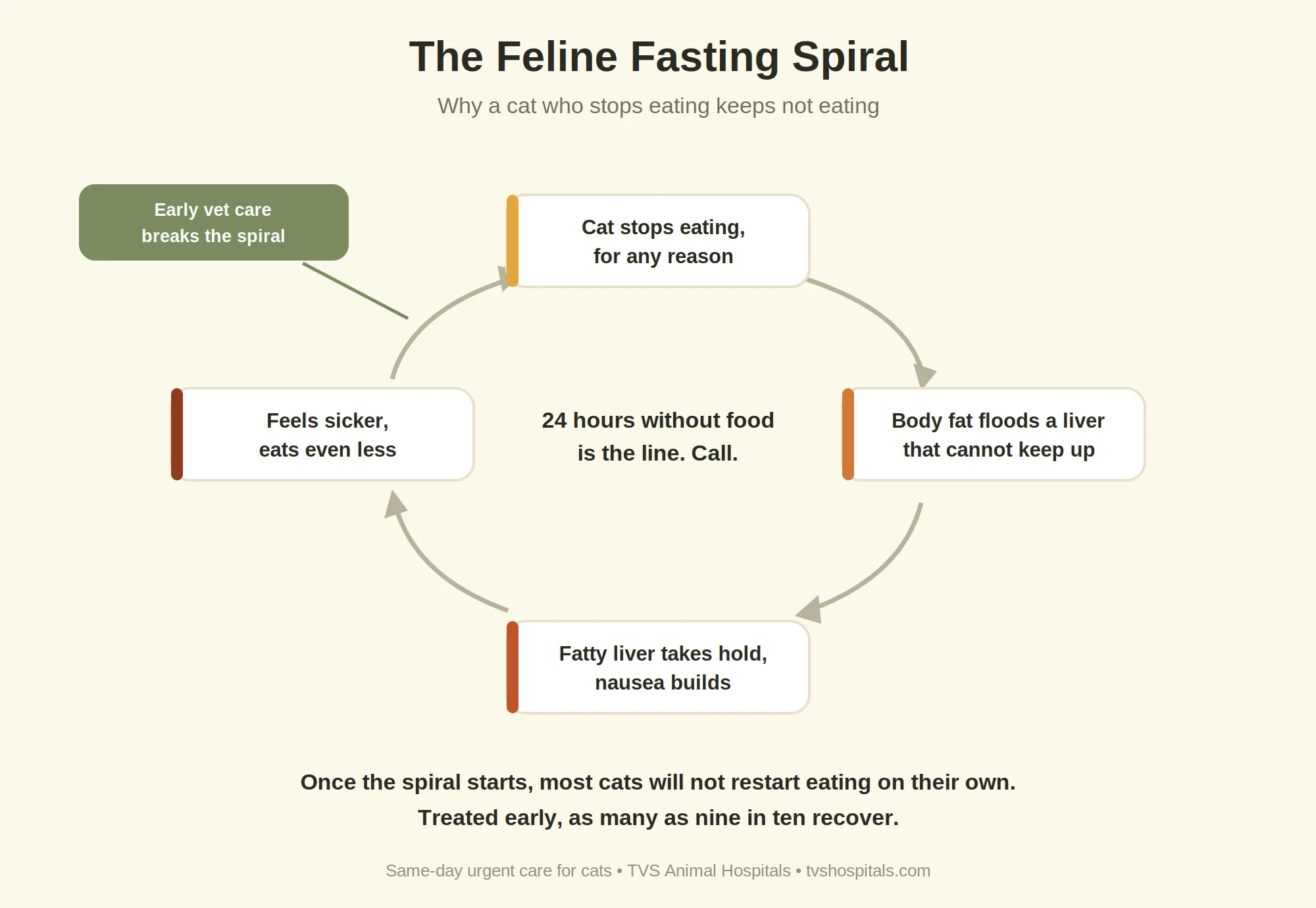
A cat who stops eating begins pulling fat from her body for energy, and a cat's liver has a limited capacity to process that sudden flood. Fat backs up inside the liver cells faster than they can clear it, a condition called hepatic lipidosis, or fatty liver disease, and it can begin developing within just a few days of a cat not eating.
The cruel twist: the chubby cat is the one in the most danger, because more body fat means more fat rushing at the liver. And the disease feeds itself. A failing liver causes nausea, nausea kills what appetite remained, and once the spiral is running, most cats will not start eating again on their own. The encouraging half of the story is just as clear: treated early, as many as nine in ten cats recover.
The first 24 hours: things worth trying
If your cat is otherwise bright, drinking, and showing no other symptoms, spend the first day like this:
- Run the favourite-food test. Offer the one treat she never refuses. A picky cat eats something; a sick cat turns down even that, and the difference tells you nearly everything.
- Warm a spoonful of strong-smelling wet food, since aroma drives feline appetite and a congested cat cannot smell dinner
- Serve fresh food in a clean, shallow dish, in a quiet spot away from other pets
- Audit the week for changes: a new food formula, a moved bowl, a new pet, construction noise, or a lost companion, because cats protest and even grieve through their appetite
- Offer a little food by hand, since some cats eat for company
- Do not force-feed with a syringe on your own, which risks choking and can teach her to fear food entirely
At 24 hours, call us
If a full day passes without real eating, phone TVS Animal Hospital North York: (416) 546-7493 or TVS Animal Hospital Parliament: (647) 347-3300 and tell us what you have tried. Move faster than 24 hours for kittens, seniors, diabetic cats waiting on insulin, cats with kidney or other chronic disease, and overweight cats, who have the least margin of anyone.
One clarification matters here: a few licks of gravy is not eating. If intake has collapsed to a fraction of normal, the liver is running on fasting rules, and the 24-hour line applies.
Signs that mean see a vet right away
Pair any of these with a cat not eating, and come straight in as a same-day urgent care visit rather than waiting out the day:
- Repeated vomiting
- A yellow tinge to the gums, the inside of the ears, or the whites of the eyes
- Drooling or constant lip-licking
- Hiding paired with limpness or a flat, withdrawn posture
- String or thread visible at the mouth, and never pull it, since the other end may be anchored deep in the gut
- Laboured or open-mouth breathing
- Refusing water as well as food
What happens at the clinic
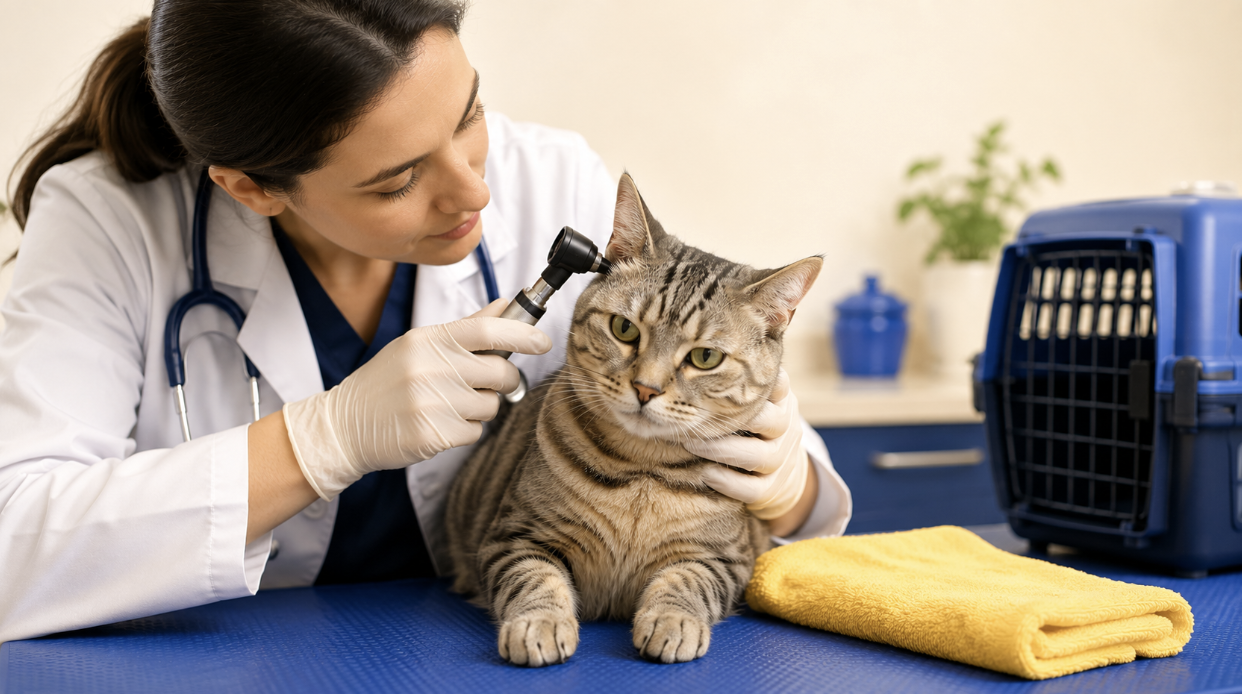
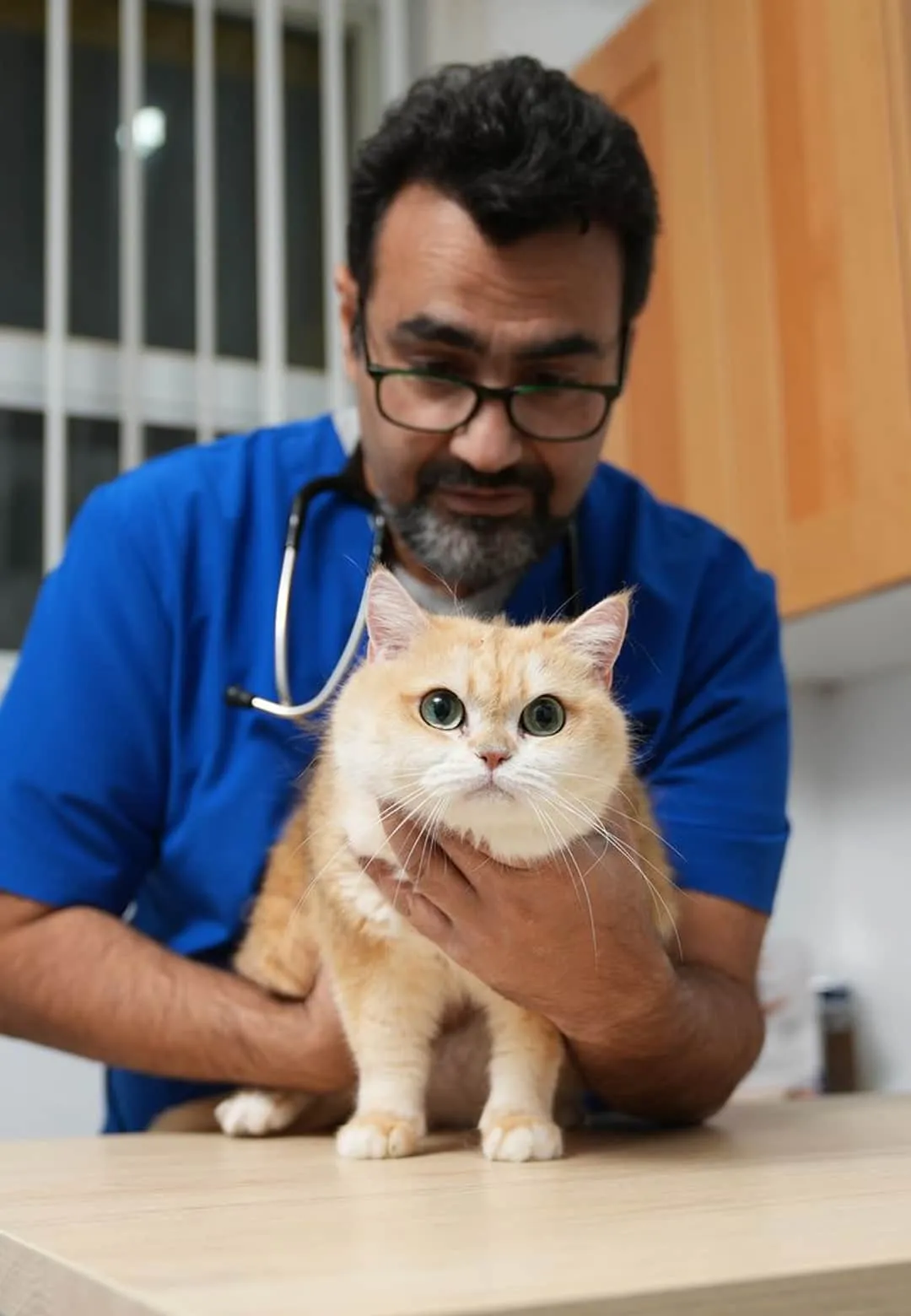
The workup starts in the mouth, because dental pain is one of the most overlooked reasons a cat won't eat. From there, bloodwork reads the kidneys, thyroid, blood sugar, and liver in a single draw, since appetite loss in cats sits on top of a long list of treatable conditions.
Then we interrupt the spiral. Modern anti-nausea medication and appetite stimulants work quickly when started early, and a cat seen at day one usually goes home the same afternoon. Cats seen in week two are a different story, sometimes needing hospitalization and feeding-tube support, which is the whole argument for the early phone call. As we wrote in our wellness exam guide, cats mask illness better than any animal we treat, so by the time a cat visibly won't eat, she has already told you everything she is going to.
Common questions about a cat not eating
How do I tell picky from sick?
Pickiness has patterns and sickness has a timeline. A picky cat holds out for the good stuff and eats it when it appears; a sick cat refuses the good stuff too. If the favourite-food test fails, or the strike passes 24 hours, treat it as medical.
She eats treats but ignores her meals. Should I worry?
Worth attention, yes. If total intake has collapsed, the liver math still applies. And a cat who takes soft treats while avoiding kibble is often showing you a sore mouth, not a preference, which is exactly the kind of clue we can confirm in one exam.
My kitten skipped two meals. Does the 24-hour rule apply?
No, kittens run on a much shorter clock. Cornell notes that for kittens under six weeks, going without food for even 12 hours can be life-threatening, so a young kitten refusing meals is a same-day call every time, no home experiments first.
A cat who won't eat is telling you something real, and the window for an easy fix is measured in hours, not weeks. If your cat's bowl is still full tonight, call either clinic or reach us through our contact page, and we will find out why together.