Cat Vaccinations, Which Ones Your Cat Needs Even If It Never Goes Outside
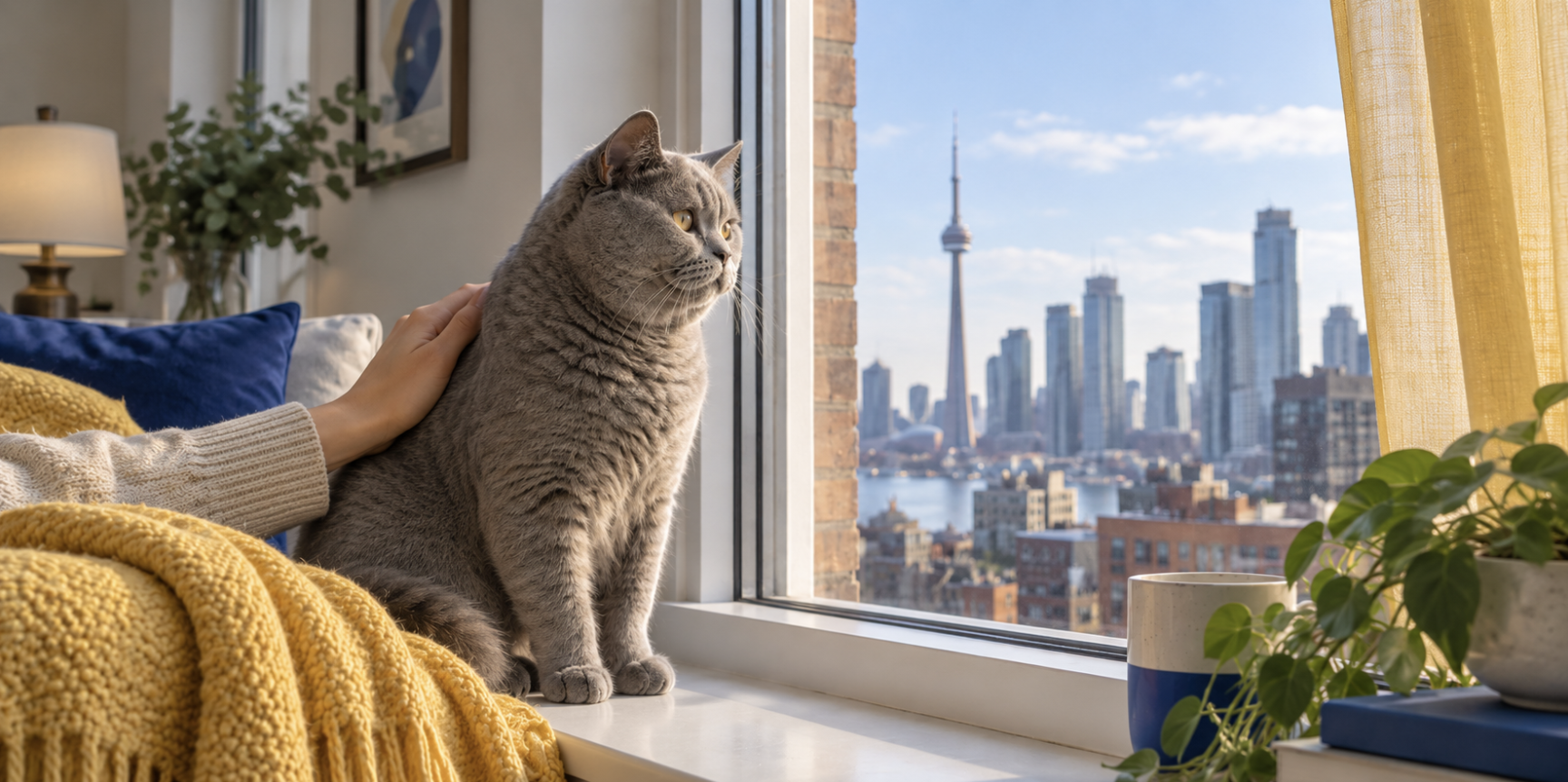
"She never goes outside" is the most common reason owners skip cat vaccinations, and it rests on a misunderstanding about how these diseases travel. Two of them do not need your cat to go anywhere. They come to her, on your shoes, through an open door, or on the wings of a bat. Indoor life lowers risk. It does not close the file.
Here is what the guidelines actually recommend for every cat, and why the indoor ones are included on purpose.
The three core cat vaccinations
Veterinary guidelines from AAHA and the feline practitioners' association name three vaccines as core, meaning recommended for every cat regardless of lifestyle.
- FVRCP. One combination vaccine covering three viruses. Feline herpesvirus and calicivirus cause the classic runny-eyed, sneezing respiratory infections, and panleukopenia is a fast-moving virus that is frequently fatal in unvaccinated kittens
- Rabies. Required by Ontario law for cats three months and older, indoor cats included
- FeLV. Feline leukemia virus vaccination is considered core for every kitten in the first year, then becomes a lifestyle decision for adult cats based on real exposure
Why an indoor cat still needs them
Each core vaccine earns its place indoors for a different reason.
Rabies is the legal one, and the law exists for a practical reason. Bats are the leading rabies concern inside Ontario homes, they get indoors more often than people expect, and the cat is exactly the family member who will catch one. An unvaccinated cat that tangles with a bat faces quarantine questions no owner enjoys, so the vaccine protects your cat and your household paperwork at the same time.
Panleukopenia and calicivirus are the hardy ones. These viruses survive on surfaces for a long time and walk into your home on shoes, hands, and anything else that visited the outside world. Your cat does not need to meet a sick cat. She only needs to meet what a sick cat touched.
Then there is the door. Indoor cats escape, bolt during moves, and slip past visitors, and the ones with zero immunity meet the outdoor world completely unarmed. Boarding facilities and groomers also require proof of vaccination, so an unvaccinated indoor cat quietly loses her backup care options too.
The cat vaccination schedule from kitten to adult
- Kittens start the FVRCP series at six to eight weeks, with boosters every three to four weeks until at least sixteen weeks
- FeLV begins around eight weeks after a quick negative test, given as two doses three to four weeks apart
- Rabies is given once from twelve weeks of age
- Everything gets boosted around the one-year mark, after which FVRCP typically moves to a three-year cycle and rabies follows its certificate
- An adult cat with no vaccine history does not need the full kitten series. Two FVRCP doses a few weeks apart, plus rabies, rebuilds protection
What to expect after a vaccine visit
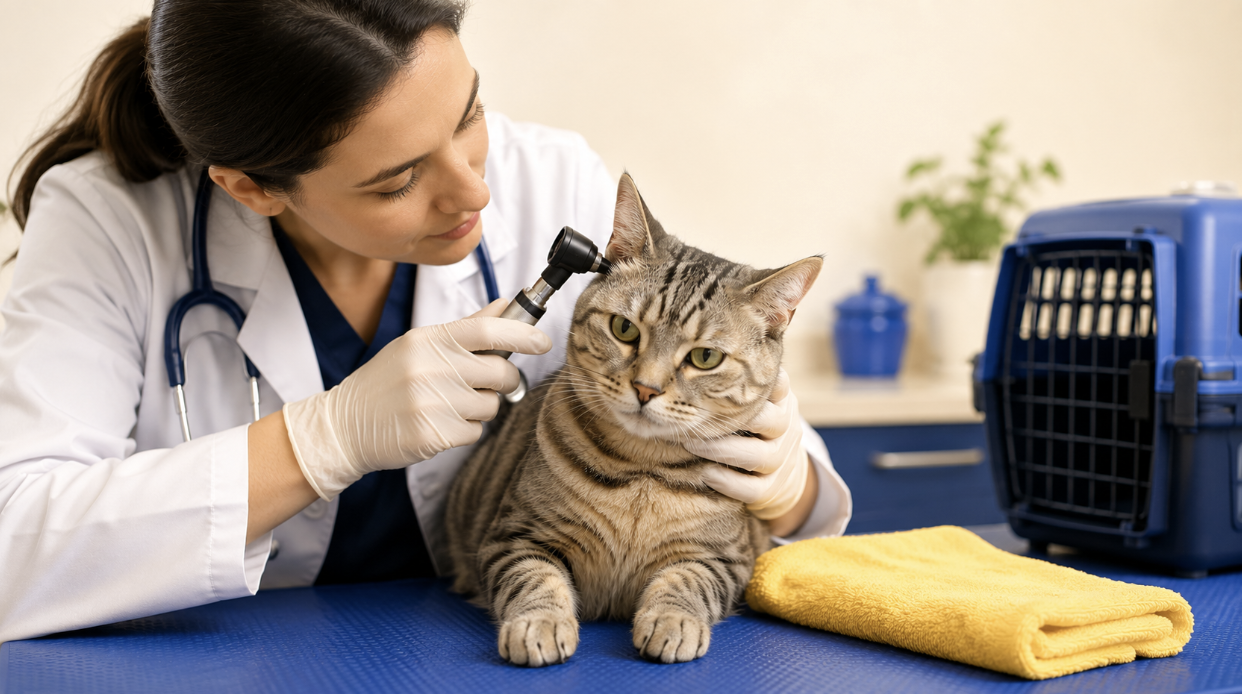
Most cats sleep off the afternoon and act completely normal by morning. A small firm bump at the injection site can appear and fades within a few weeks. Call us about facial swelling, vomiting, laboured breathing, or a lump that grows rather than shrinks, and mention any past reactions before future visits so we can adjust the plan.
Common questions about cat vaccinations
My senior indoor cat has not had a vaccine in years. Is it worth restarting? Usually yes, and restarting cat vaccinations is easier than you think. Rabies remains legally required at every age, and we rebuild the rest based on her health and her actual risks rather than a printed schedule. Bring whatever records exist to a checkup and we will fill the gaps sensibly.
Do cat vaccinations cause cancer at the injection site? There is a rare tumour called an injection-site sarcoma, and veterinary medicine takes it seriously enough to have changed how and where cats are vaccinated. The risk is very small, the diseases are not, and we are glad to walk through the numbers with you rather than around them.
Does my indoor cat need the FeLV vaccine for life? Probably not. It is core through the first year because kittens are the most vulnerable, and after that we continue it only for cats with genuine exposure, such as those living with an FeLV positive cat or spending time outdoors. Indoor-only adults usually retire this one.
Can my cat get vaccinated at the same visit as her checkup? Yes, and that is the ideal setup. Vaccines should only ever go into a healthy cat, so pairing them with an exam at TVS Animal Hospitals means the health check and the protection happen in one calm visit instead of two stressful ones.
Cat vaccinations are one of the few parts of feline medicine where a fatal disease can simply be crossed off the list in advance. If your cat's records have gaps or you are not sure what she actually needs, call TVS Animal Hospital North York at (416) 546-7493 or TVS Animal Hospital Parliament at (647) 347-3300 , or book through our contact page.