The First-Year Vet Checklist Every New Kitten Owner Needs

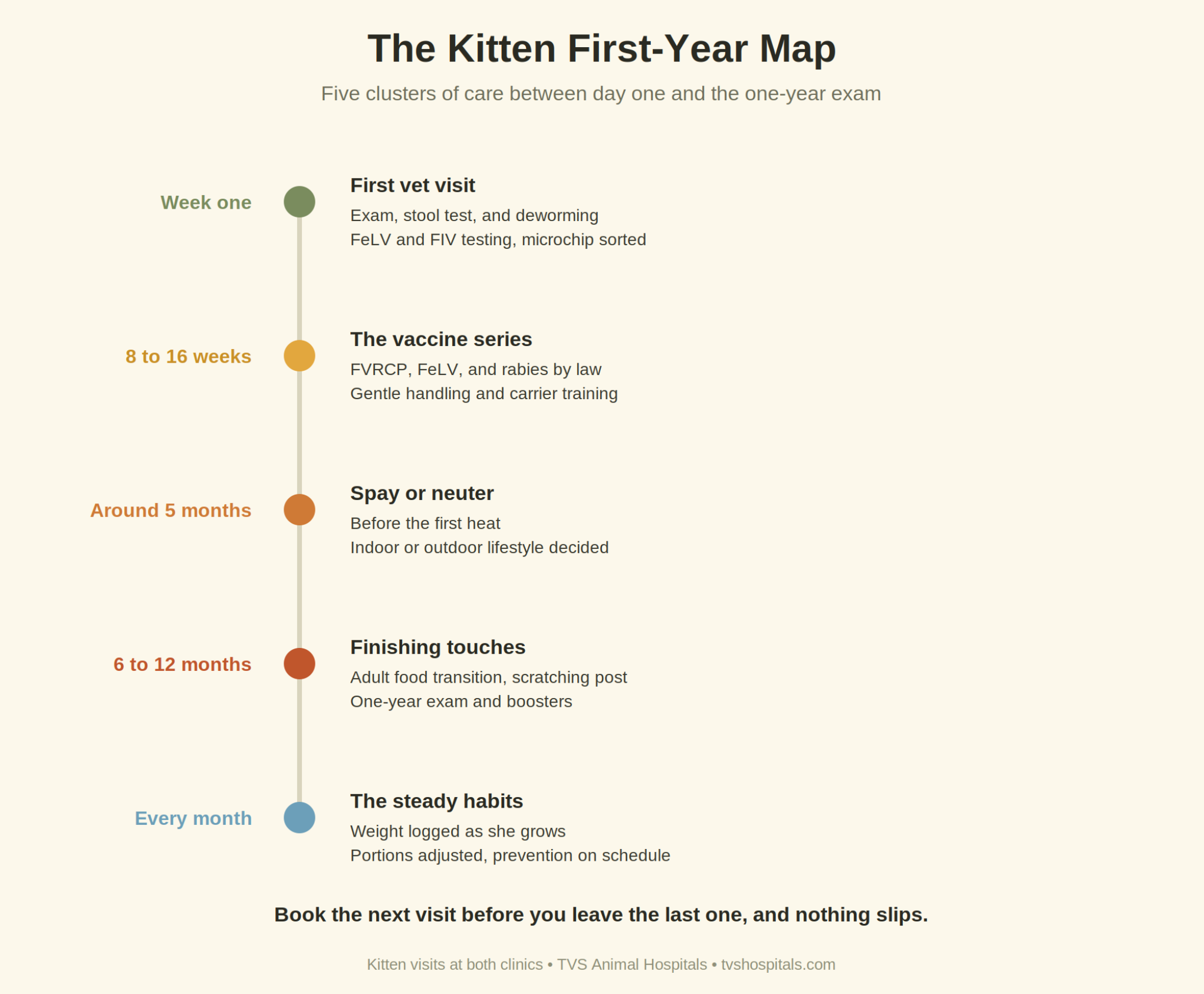
A kitten's first year runs on a schedule most owners never see written down. The vaccines cluster early, the spay or neuter has a deadline measured in months, and a few small habits started now decide how easy vet visits will be for the next fifteen years. This kitten checklist lays the whole year out, and the map below shows it at a glance.
The first week home
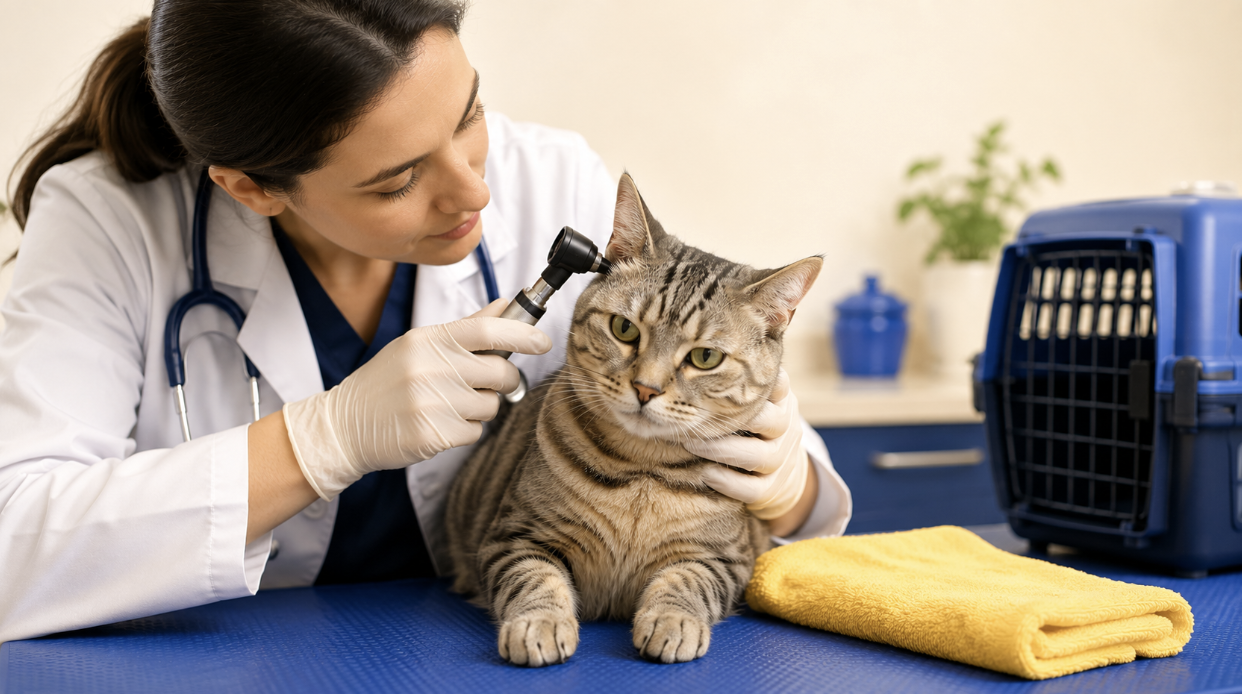
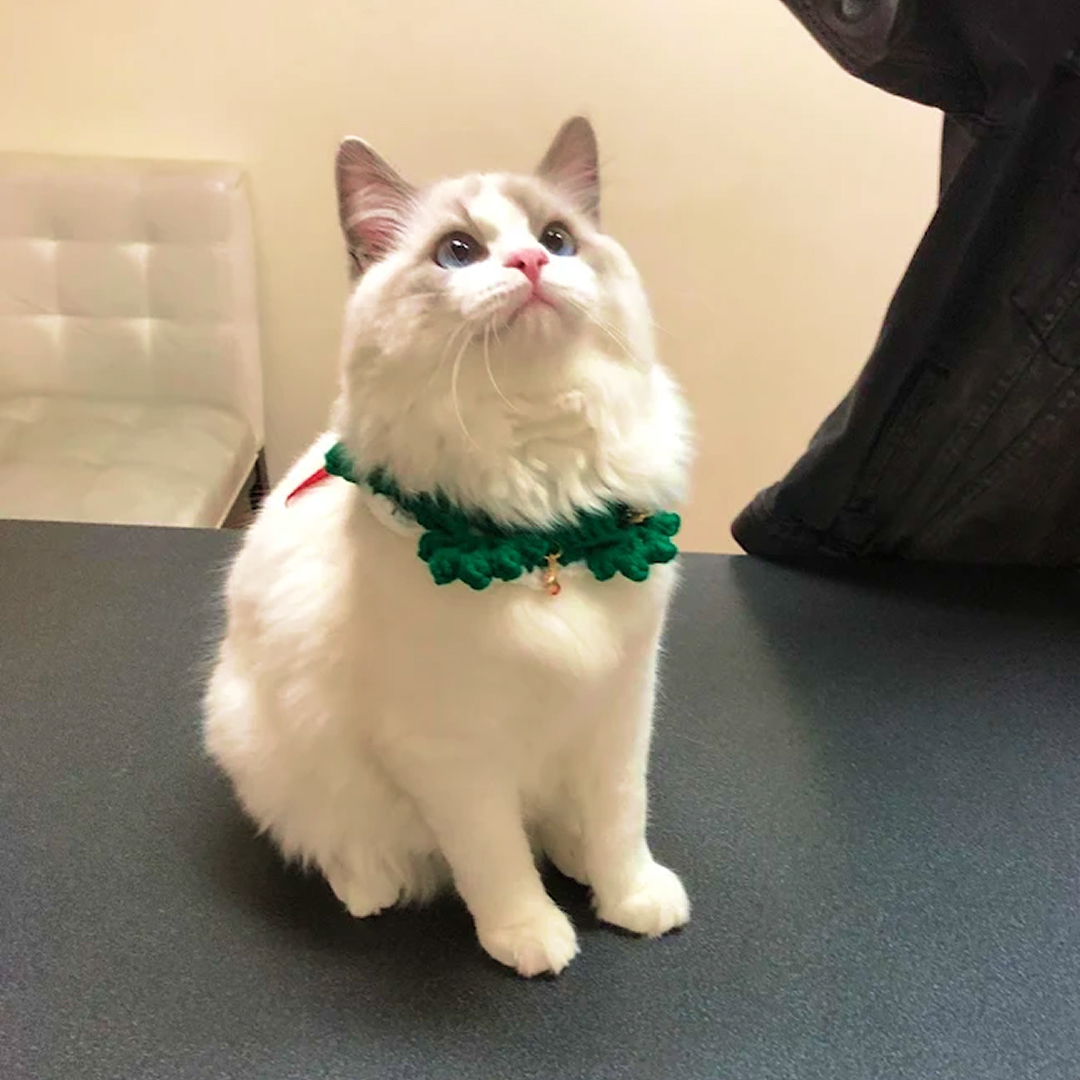
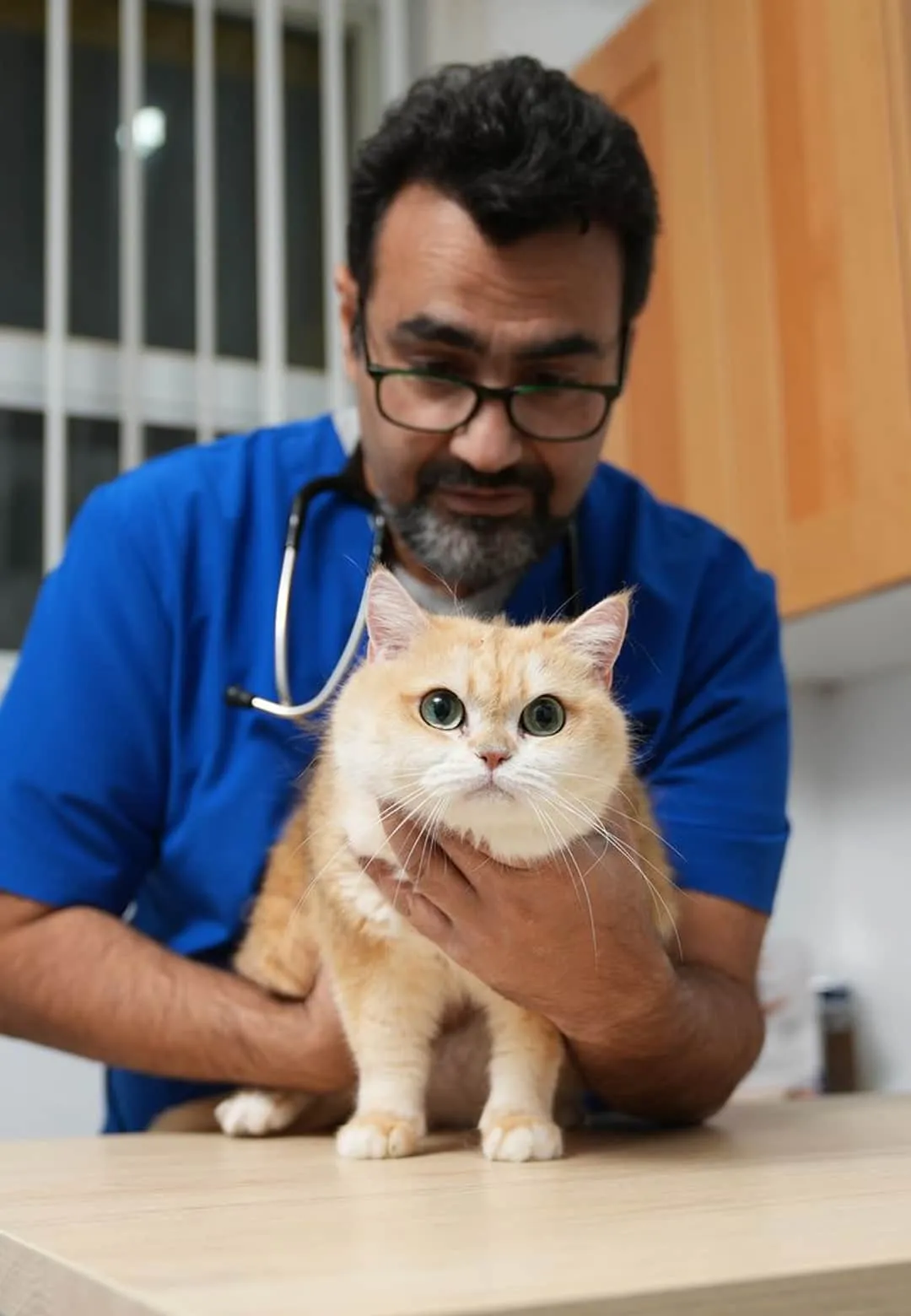
Book your kitten's first vet visit within a few days of arrival, whatever paperwork came with her. That first exam at TVS Animal Hospitals checks the heart, the mouth, the belly, and the coat, and it establishes the baseline every later visit compares against.
The first-visit checklist looks like this.
- Bring her adoption records, her current food details, and a fresh stool sample
- Expect a fecal test and routine deworming, since intestinal worms are common enough in kittens that treating is standard
- Ask for FeLV and FIV testing if the rescue or breeder has not already done it, because these two viruses shape her vaccine plan and her future housemate decisions
- Have her microchip scanned and move the registration into your name, or plan the chip for her spay visit
- Decide on pet insurance now if you want it, since anything diagnosed first becomes a pre-existing condition
- Set up the litter box before she arrives. A low-sided box she can climb into, unscented litter, and a quiet spot she can always reach, with one box per cat plus one spare in multi-cat homes
- Keep her on the food she came home with, split into three or four small meals a day, and save any diet change for after the first vet visit
Make the home kitten-safe
Kittens investigate the world mouth-first, and a few household items punch far above their size. String and thread top the danger list, with hair elastics and ribbon close behind, because a swallowed strand can anchor in the gut and turn into surgery. Treat them like medication and keep them in drawers.
Lilies deserve their own warning. True lilies are severely toxic to cats, and even chewing a leaf or grooming pollen off her coat can cause kidney failure, so the safest lily in a cat household is the one that never comes through the door. Check that window screens latch and keep the dryer door shut. A sleeping kitten also fits wherever you least expect her, so look before closing any recliner.
Eight to sixteen weeks, vaccines and habits
The vaccine series runs on a rhythm of visits every three to four weeks. FVRCP builds protection against three serious feline viruses, FeLV joins as a core vaccine for all kittens, and rabies is required by Ontario law from three months of age. Our cat vaccination guide explains what each one covers, and the appointments themselves are quick.
These same weeks are when a kitten decides what normal feels like, so spend them wisely. Handle her paws, ears, and mouth gently every day. Leave the carrier out as furniture with treats inside instead of storing it as a bad omen in a closet. Invite calm visitors so new people register as ordinary. And keep your hands out of play from the very start, because a kitten who learns that fingers are toys becomes a cat who bites, while a kitten raised on wand toys saves her teeth for them. A kitten who learns all this before four months of age becomes a cat who tolerates nail trims, car rides, and vet visits for life.
Four to six months, the two big decisions
The first decision is the spay or neuter, and for cats the timing is refreshingly simple. Around five months, before the first heat, is the standard we recommend. Cats do not carry the size-based timing questions large dogs do, and spaying before that first heat prevents both surprise litters and the loud, persistent theatre of a cat in heat.
The second decision is lifestyle. Indoor cats live significantly longer on average, and the earlier the boundary is set, the easier every door becomes. If you want her to experience the outdoors, a harness, a catio, or a supervised balcony delivers it without the traffic and the coyotes.
Six to twelve months, finishing the foundation
- Complete the spay or neuter if it has not happened yet
- Transition gradually from kitten food to adult food around her first birthday, on our advice for her build
- Start a monthly parasite prevention routine suited to her lifestyle, because even indoor cats meet fleas
- Keep a scratching post she actually likes, since claws and furniture negotiate better with an alternative on the table
- Book the one-year exam, where boosters land and her adult baseline gets recorded
Every month, all year
Two quiet habits carry the whole checklist. Her weight gets logged as she grows, because a curve that flattens or jumps is an early signal worth catching, and her food portions get adjusted as the growth slows, since the eating machine of month four becomes the nap enthusiast of month eleven.
Common questions about the kitten checklist
My kitten skipped a meal. Is that a big deal? In a young kitten, yes. Kittens run on tiny fuel reserves, and going without food for even half a day can be dangerous for the smallest ones. A kitten refusing meals is a same-day call, not a wait-and-see situation.
When can she meet the resident cat? Slowly, and after her first vet check plus FeLV and FIV testing. Start with scent swapping and a closed door, then supervised visits, and let the resident cat set the pace. Rushing this introduction costs weeks of repair later.
How many vet visits does the first year involve? Typically four to six. The first exam, two or three vaccine visits by sixteen weeks, the spay or neuter, and the one-year checkup. After that, most healthy cats settle into one visit a year until their senior stage.
Do indoor kittens really need all of this? Yes, and the vaccine question has its own full answer in our cat vaccination guide. The short version is that the law, the hardiness of these viruses, and the reality of open doors all apply to indoor cats too.
A kitten raised on this checklist becomes the rarest of creatures, a cat who is easy to care for. To book her first visit, call TVS Animal Hospital North York at (416) 546-7493 or TVS Animal Hospital Parliament at (647) 347-3300, or reach us through our contact page.